
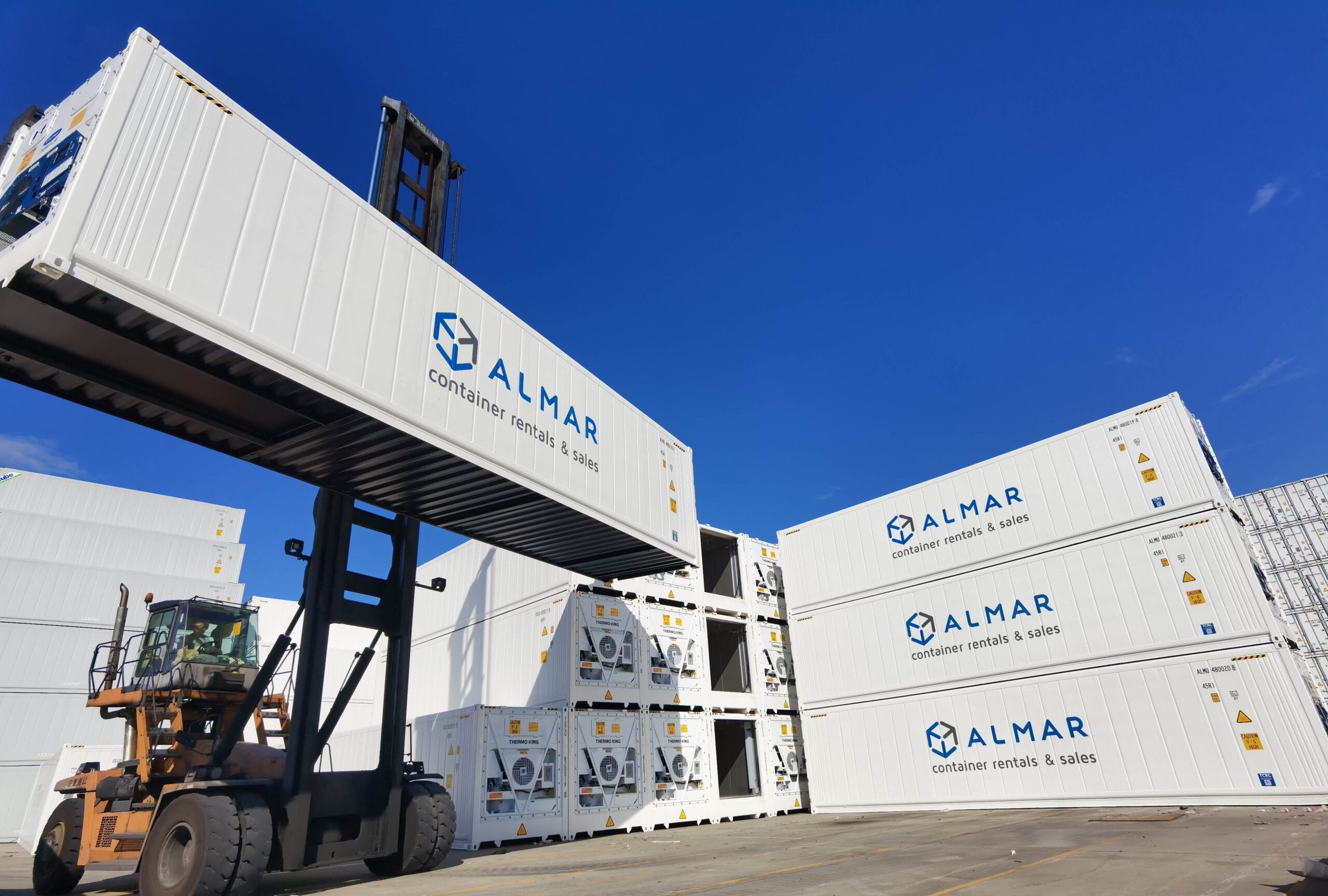
Temperature-controlled storage is becoming increasingly important across Namibia’s agricultural, industrial and logistics sectors. Whether it’s keeping fresh produce cool on farms, supporting the seafood export industry, storing pharmaceuticals or providing on-site cold storage for remote operations, reefer containers offer a practical and reliable solution.
But one question comes up often: Should you rent a reefer container, or is it better to purchase one outright?
The answer depends on your operational needs, budget and how long you plan to use the unit. Below, we explore both options to help Namibian businesses make an informed decision.
Why Reefer Containers Are in Demand in Namibia.
Namibia’s climate, export-driven economy and geography make temperature control a priority across multiple sectors:
- The fishing industry in Walvis Bay relies heavily on refrigerated storage and transport.
- Fresh produce farmers need on-site cooling to maintain quality before distribution.
- Meat, dairy, beverage and poultry producers often require seasonal or short-term cold storage.
- Pharmaceutical and medical supplies must be kept at controlled temperatures.
- Remote mining and construction operations rely on mobile cold rooms for food and supplies.
- Retailers and wholesalers need extra cooling during peak seasons or facility upgrades.
Because many businesses experience variable demand, the choice between renting and buying matters.
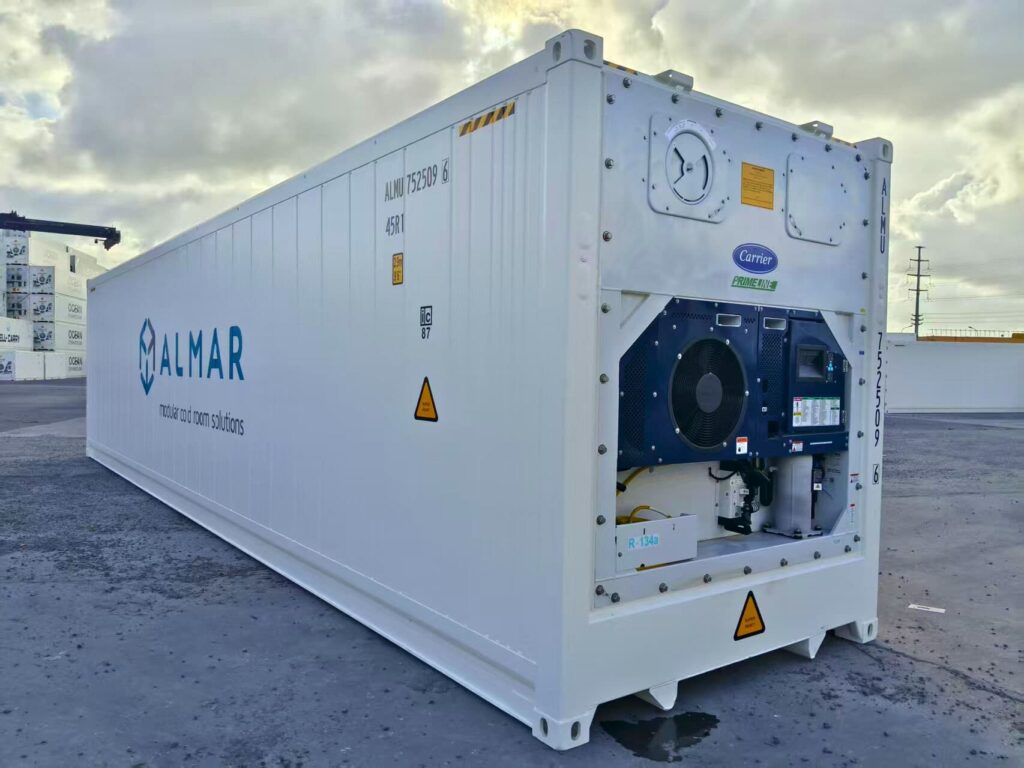
Reefer Rental in Namibia: When It Makes Sense.
Renting a reefer container is often the best solution for businesses with seasonal or short-term needs, or when operational requirements may change.
Key Advantages of Renting:.
1. No long-term commitment
Seasonal industries — especially agriculture, food distribution and events — benefit from temporary cooling only when needed.
2. Lower upfront cost
Renting avoids the capital expenditure required for purchasing, which helps protect cashflow.
3. Flexibility to scale up or down
If your cooling needs increase during harvest, peak fishing periods, or holiday demand, rentals make it easy to add more units quickly.
4. Maintenance often included
Rental providers typically handle servicing and upkeep, reducing downtime and unexpected costs.
5. Ideal for pilot projects or testing
Businesses exploring new product lines or distribution routes can use rental reefers to test demand without committing to a permanent asset.
Who Should Rent?
- Farms needing cooling only during harvest
- Fishing operations with fluctuating export volumes
- Retailers adding temporary storage for peak-season stock
- Logistics companies bridging gaps in warehouse space
- Businesses waiting for new facilities to be built or upgraded
- Mining / remote sites with short-term crew requirements
If your operation experiences high variability, renting is often the most practical and cost-effective choice.
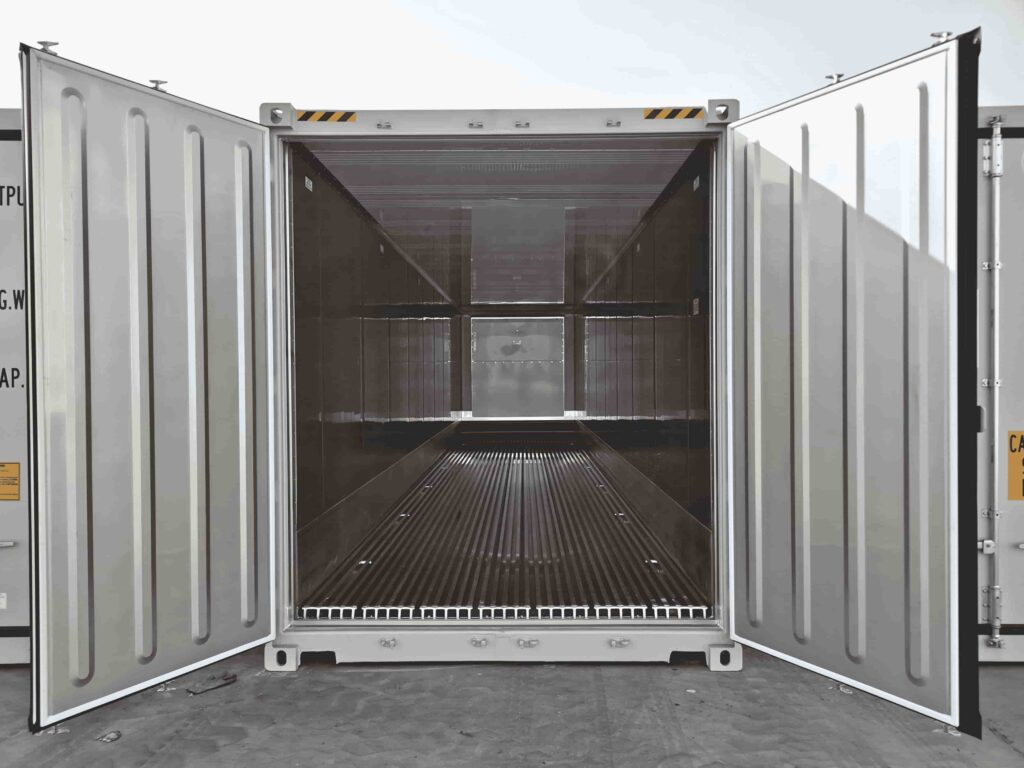
Purchasing a Reefer Container: When It’s the Smarter Investment.
Buying a reefer container may be the right option for businesses with consistent, year-round temperature-controlled storage needs.
Key Advantages of Buying:
1. Long-term cost savings
Although the upfront cost is higher, ownership becomes more economical over several years of continuous use.
2. Full control over the asset
You can modify, customise, and position the unit exactly as you need, without rental limitations.
3. Always available when required
If cold storage is essential to your daily operations, ownership removes dependency on rental fleet availability.
4. Suitable for permanent or semi-permanent installations
Farms, manufacturing facilities, and food processors often benefit from installing a reefer as part of their daily workflow.
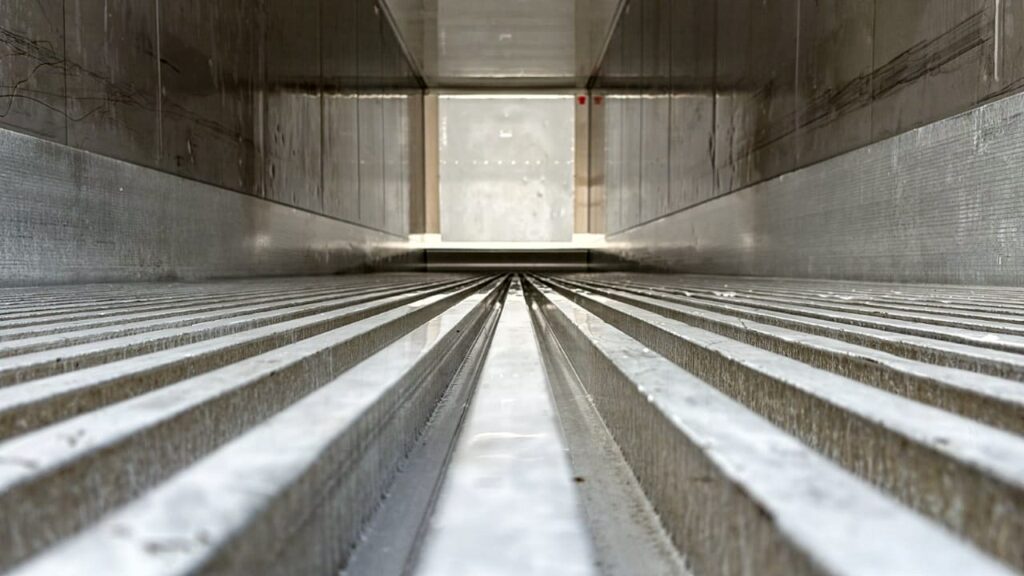
Who Should Buy?
Businesses with constant cooling needs throughout the year
- Producers storing perishables as part of ongoing operations (meat, dairy, fish, beverage)
- Facilities requiring reliable on-site cold rooms
- Companies wanting to customise their cold storage setup
- Long-term projects where rental fees may exceed purchase cost
If your business relies heavily on cold storage daily, ownership is usually the most cost-effective route.
How to Decide: Renting vs. Buying in the Namibian Context.
Here are the four questions every business should consider:
1. How long do you need the reefer?
Short-term = rent
Long-term or continuous = buy
2. Do your cooling needs vary throughout the year?
Seasonal = rent
Stable or expanding = buy
3. What is your available budget?
Limited capital = rent
Ability to invest = buy
4. Do you require flexibility?
If your operation may change location, scale, or product lines, rental provides easier adjustments.
Namibia’s climate and market conditions make reefer flexibility valuable — especially for agriculture and fishing sectors where seasons and export cycles fluctuate.
Why Almar Container Group Supports Both Options
With nearly four decades of experience supplying containerised solutions across Africa and the Middle East, Almar understands the diverse needs of Namibian businesses.
We provide both reefer rentals and direct sales, giving customers the freedom to choose what best fits their operational model. Our approach is built on partnering with clients to understand their challenges and helping them select the most practical solution — whether that means short-term flexibility or long-term investment.