
Refrigerated containers - or reefers - are built to work hard.  They're designed to keep your products at the right temperature, no matter what the Kenyan weather brings.  But just like any piece of equipment, they need care and sometimes, things don't go as planned.

So, what happens if your reefer stops cooling properly, or you notice an error on the control panel while it's on rent?

We've made sure you're never left to figure it out on your own.

Support - Just a Call Away.

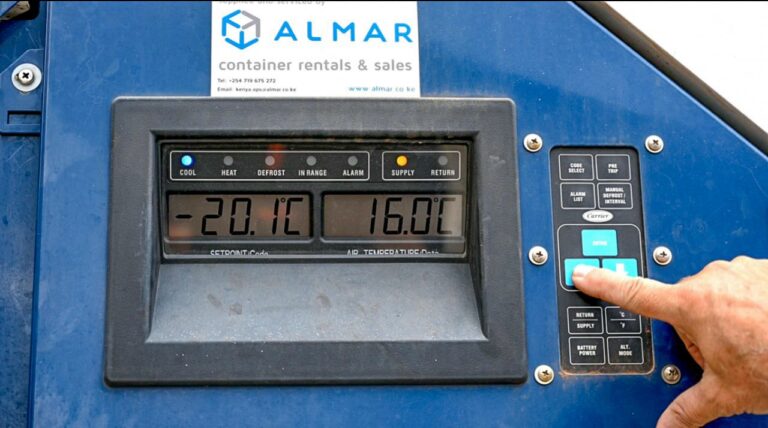
Every reefer container we provide comes with a clearly displayed technical support number - printed right on the unit.  If you ever experience a fault, power issue, or anything that doesn't look right, simply call that number.

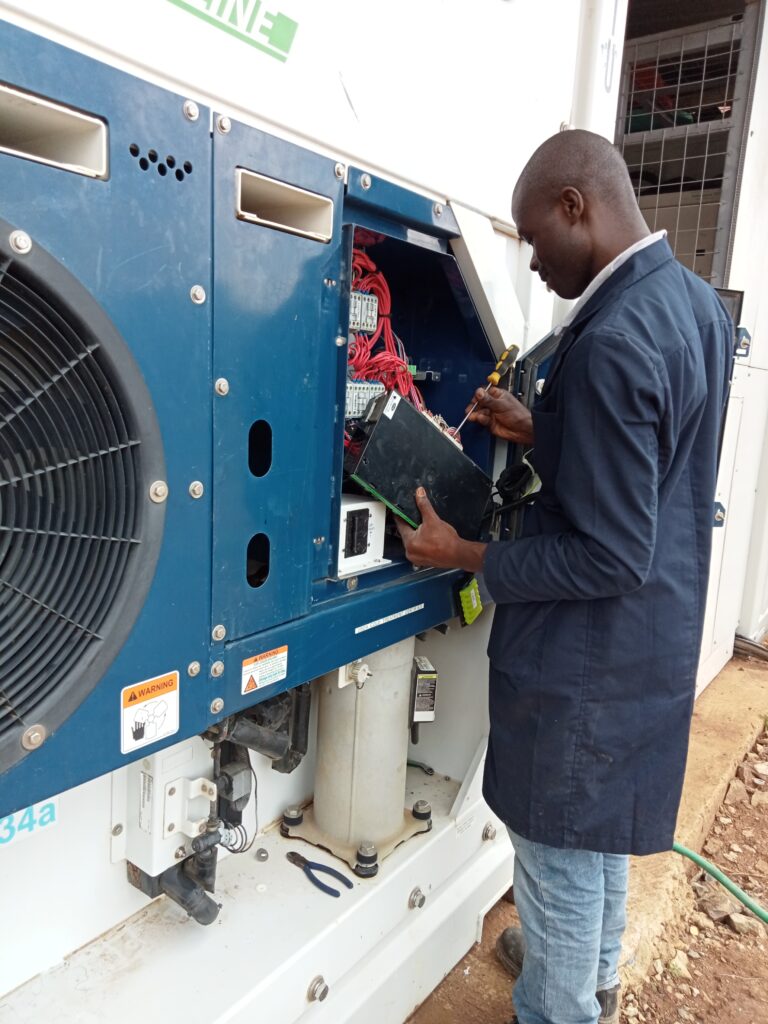
Our technicians are always ready to help with troubleshooting and remote guidance.  When needed, we'll send someone to your site to get your unit running again as quickly as possible.

Almar Kenya Reefer Technician

We understand that downtime can mean lost stock or disrupted operations.  That's why we've built our service around being there when you need us most - fast, responsive and straightforward.

Pro Tips for Keeping Your Reefer in Top Shape.

While we're here whenever you need support, a few simple habits can help keep your reefer running smoothly throughout the rental period:

Check and log temperatures daily.

Keep a quick record of your container's temperature readings.  This helps you spot any changes early and gives our team valuable information if support is needed.

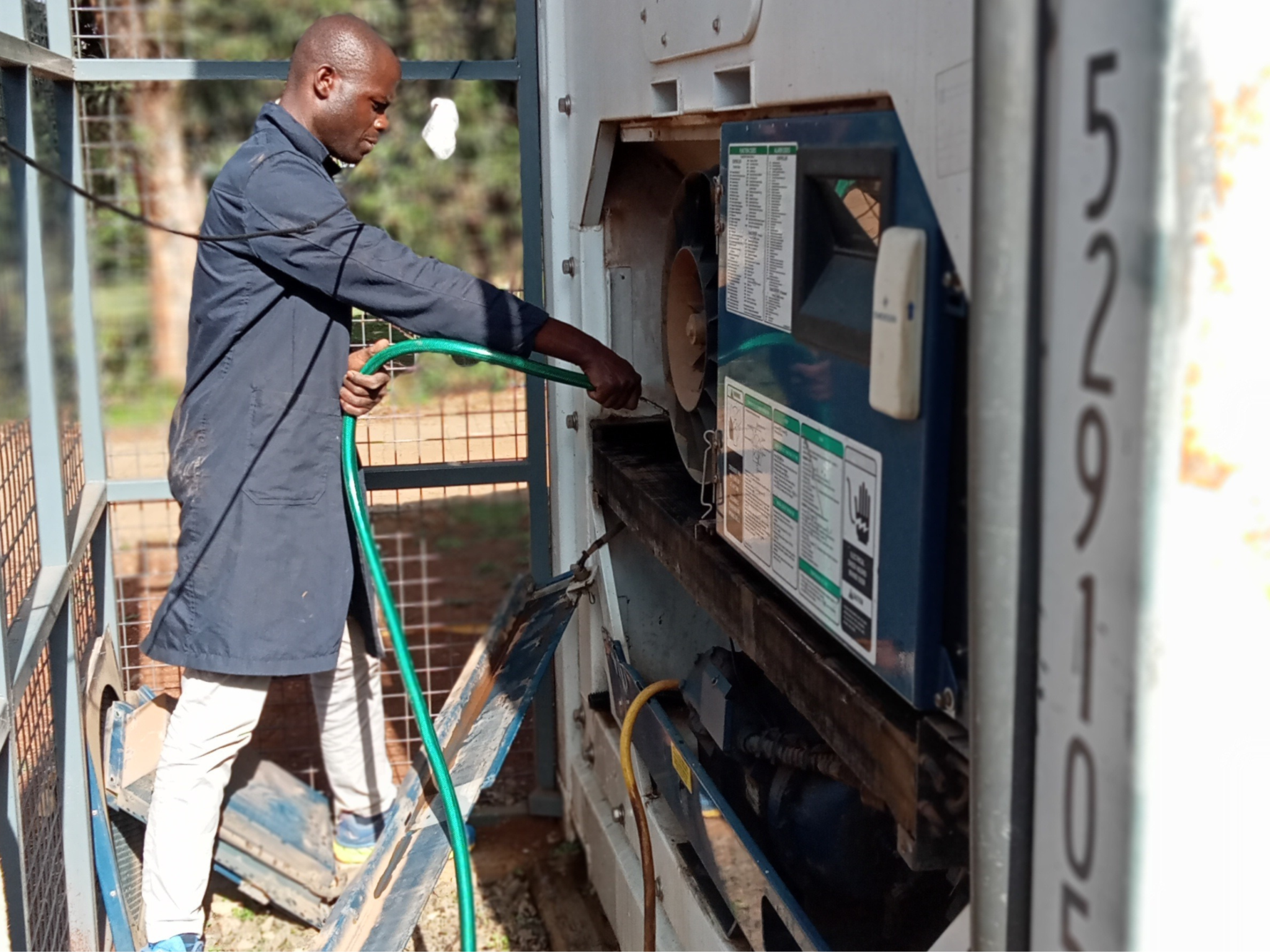
Wash the condenser coil weekly.

Dust and debris can build up, especially in outdoor environments.  A quick clean of the coil keeps airflow efficient and cooling consistent.

Remove ice build-up monthly.

If frost starts forming inside, it can restrict airflow and affect temperature performance.  Defrosting periodically keeps your reefer efficient and reliable.

Almar Container Kenya Reefer Technician

Peace of Mind with Every Rental.

We partner with you to solve challenges quickly and effectively, ensuring your cold storage runs smoothly.

Need reliable cold storage on-site? Get in touch with us to explore flexible reefer rental options that keep your business moving - confidently and without interruption.

Maintaining Product Quality from Catch to Market with Container - Based Cold Storage

In the fishing industry, maintaining the right product condition after catch is critical.  Once fish are harvested, they begin to degrade quickly if not stored at the correct temperature.  Without proper cooling, this deterioration affects quality, shelf life and marketability - resulting in potential losses.

A reliable cold chain is essential.  Temperature fluctuations during transport or storage can lead to discolouration and the growth of bacteria.  For businesses handling fish and seafood, preventing these issues is a key part of operational success.

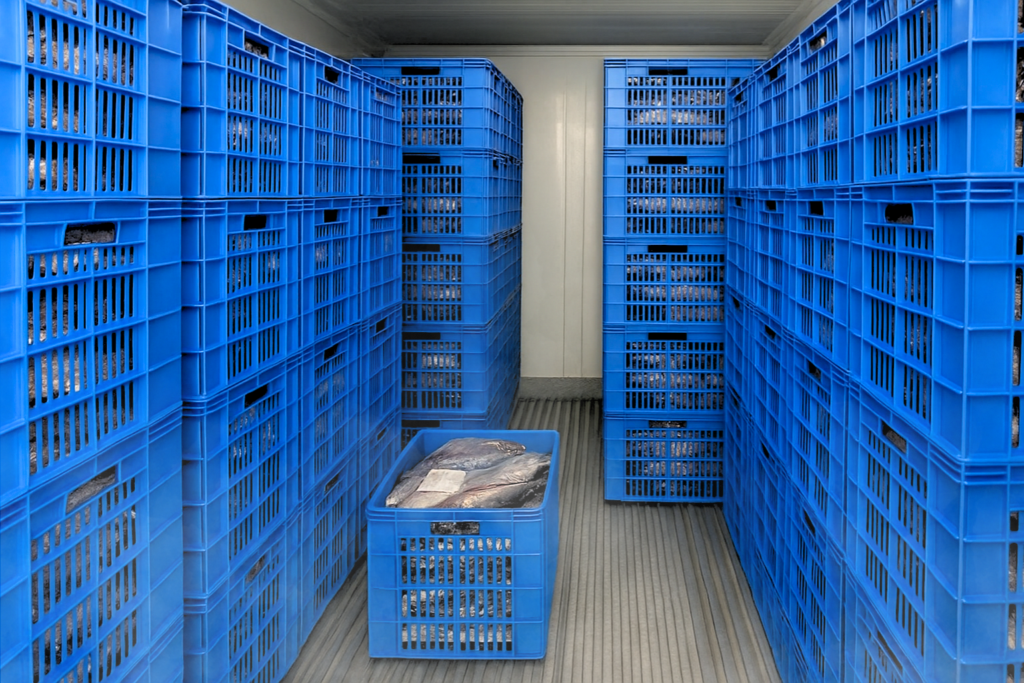
Frozen fish stored in blue plastic crates inside a commercial cold storage container.

The Role of Cold Storage in the Supply Chain

Whether based along the coast or operating inland, cold storage forms a vital link between the ocean and the market.  It allows fisheries and processors to protect product quality from the time of landing through to distribution.

Refrigerated containers (reefers) help maintain consistent temperatures at every stage.  In regions with high ambient temperatures or limited infrastructure, reefers offer a dependable way to preserve product integrity and reduce waste.

Why Reefers Work for the Fishing Industry

Reefers are versatile, portable and well-suited to a variety of locations - from coastal landing sites to inland processing hubs.  

Their key benefits include:

  • Consistent temperature control, even in harsh environments
  • Weather-resistant exteriors, suitable for remote or outdoor use
  • Flexible placement, with no permanent infrastructure required
  • Almar's Short- and long-term rental options, depending on operational needs
  • They’re ideal for keeping fish at the correct holding temperature before distribution, export, or processing.

Supporting Efficiency and Product Quality

As the fishing sector becomes more competitive, product quality and traceability are increasingly under scrutiny.  Cold storage is no longer just a supporting tool - it's a business-critical asset.  With the right systems in place, fishing operations can meet buyer expectations, reduce waste and improve profitability.

In East Africa, many fisheries and exporters are turning to container-based cold storage because of its durability, mobility and ability to perform reliably under demanding conditions.

Connect with us for more information on our cold storage solutions.

Contact Us

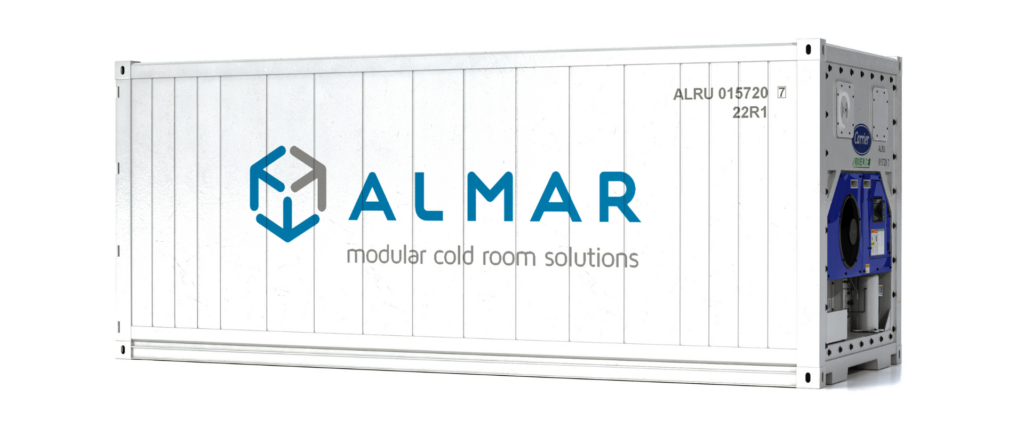
Almar Reefer / Refrigerated Container

Poor Packing Techniques can Compromise Cargo Quality

Reefer containers are vital for transporting temperature-sensitive products like fresh produce, meat, dairy and pharmaceuticals.  But even with the right equipment, poor packing techniques can compromise cargo quality and lead to profit losses.

To ensure your goods arrive in optimal condition, it’s essential to follow correct loading practices.

Here's a practical guide to help you get the most from your refrigerated container:

1. Pre-Cool Both Cargo and Container.

Reefer Packing Tips

Why It Matters:

Reefer containers are designed to maintain a set temperature - not to cool warm cargo.  If products are loaded while still warm, it can take longer to stabilise the internal environment, increasing the risk of spoilage.

Best Practices:

  • Pre-cool goods to the required temperature before loading.
  • Make sure the container is set to the correct temperature beforehand.
  • Avoid leaving container doors open unnecessarily during loading.
  • Don’t overload the reefer with warm produce directly from the field or facility.

2. Manage Airflow Effectively.

Why It Matters:

Consistent airflow is critical for even temperature distribution inside the reefer.  Blockages or poor stacking can result in uneven cooling and hot spots.

Best Practices:

  • Place cargo on pallets or dunnage to allow airflow beneath.
  • Keep vents clear and avoid packing items tightly against the container walls.
  • Leave small spaces between cargo stacks to support air circulation.
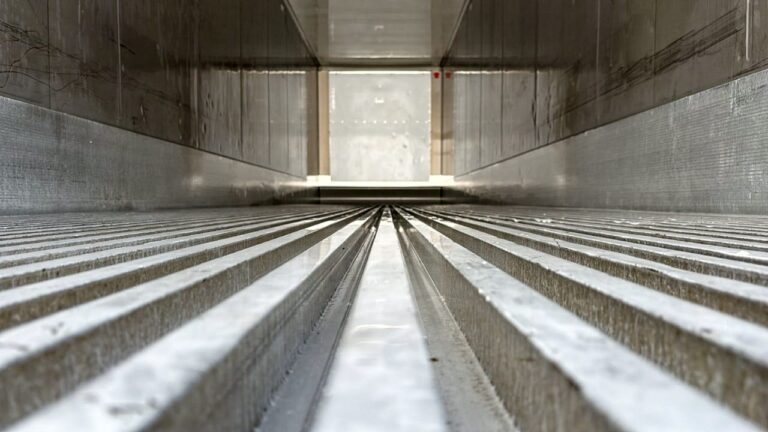
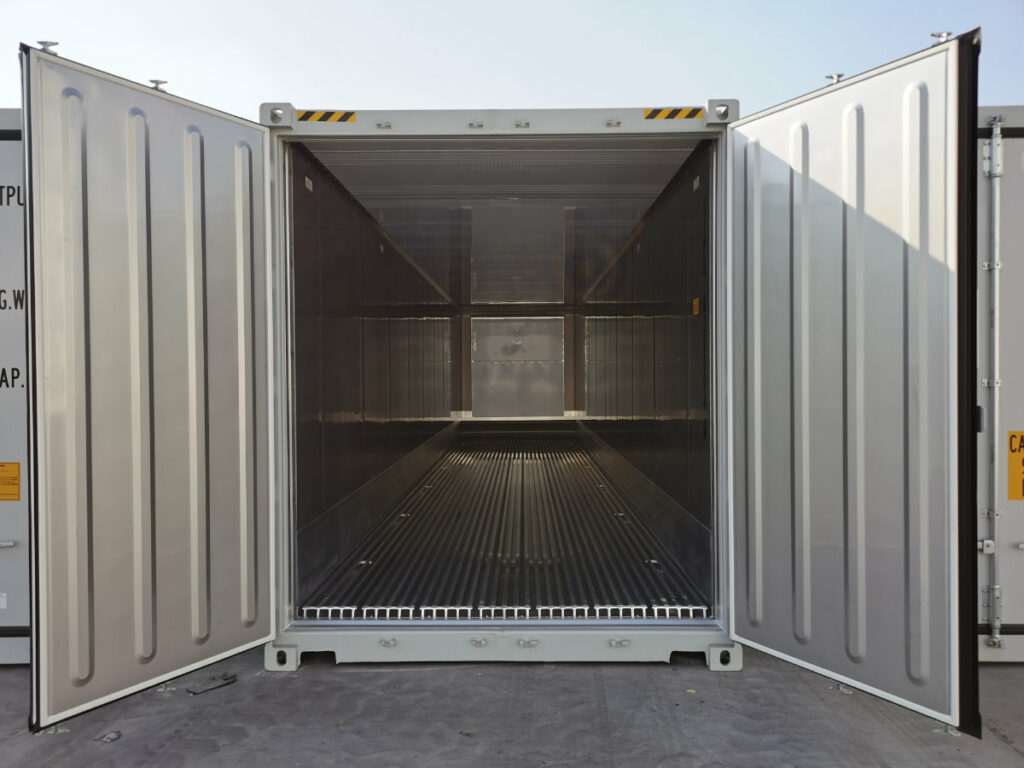
  • Do not block the T-bar floor - it’s essential for airflow under and around the load.
  • Pack cargo up to the end of the container (near the rear doors) to support airflow return.
TBar Flooring Reefer

3. Tailor Your Packing to the Type of Cargo.

Frozen Goods:

  • Stack cargo tightly to allow air to move through the load.
  • Minimise gaps to maintain a uniform temperature.
  • Use dividers to prevent load shifting during transport.

Chilled Goods:

  • Air should circulate around the cargo, not through it.
  • Avoid overloading the container, which restricts airflow.
  • Never block the floor channels or side walls, as they help with temperature consistency.

Key Takeaways:

  • Pre-cool both your products and the container before loading.
  • Maintain clear airflow paths by using pallets and careful stacking.
  • Adjust your packing method based on whether goods are frozen or chilled.
  • Monitor temperatures throughout the journey to ensure consistent performance.

Need help choosing or loading the right reefer container? Contact our team for expert support and dependable cold storage solutions.

www.almar.co.ke

Keeping Products Cold Without Electricity

In many parts of the world, keeping goods cold isn’t just about convenience - it’s about survival and quality.  

Whether it’s fresh produce, medical supplies, or stock for your store, reliable cold storage is key.

But what happens when power isn’t guaranteed?

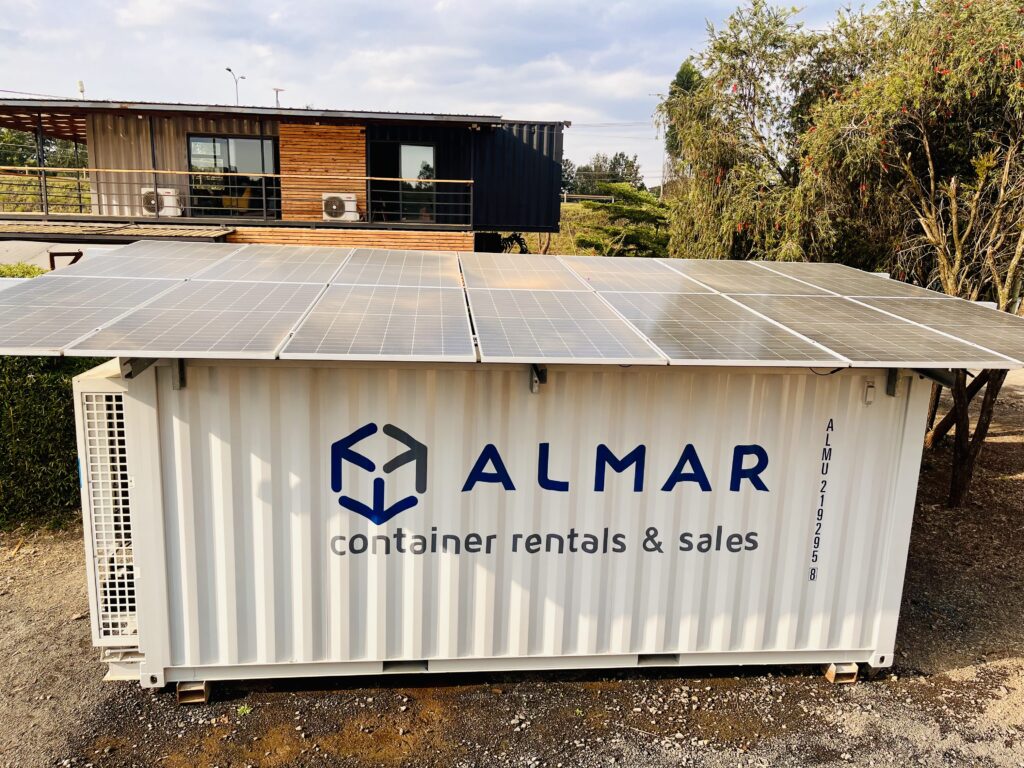
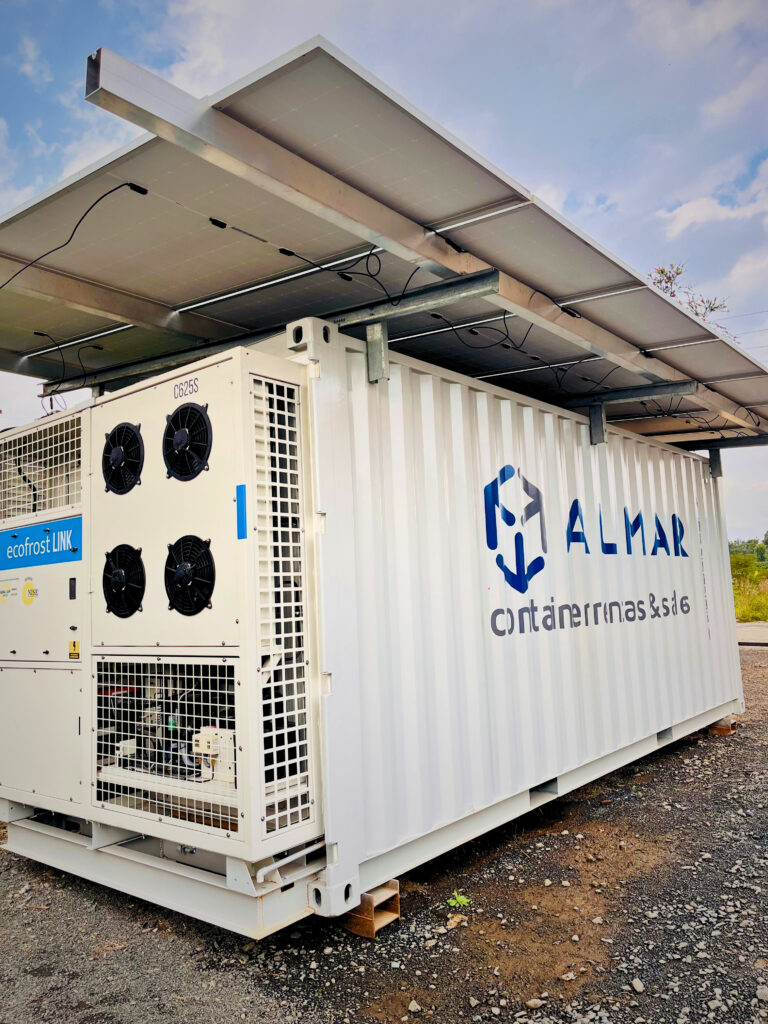
That’s where Almar's Solar Chiller makes all the difference.  

Built to handle the real challenges faced in off-grid or areas where the power is unstable, this container delivers dependable, eco-friendly cooling exactly where it’s needed.

Almar's Solar Chiller

Made for Practical, Everyday Use.

Almar's solar-powered chiller runs between +4°C and +10°C, with a solid 30 hours of backup power, so you don’t have to worry about the lights (or temperature) going out.

With a 22 CBM capacity, it offers plenty of room to keep things cool and safe.  Plus, it’s mobile and easy to set up, whether you’re in a rural field, outside a clinic, or running an event.

Almar's Solar Chiller

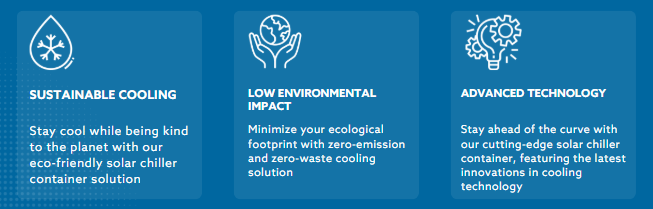
From reducing food waste and protecting your inventory, to cutting down on generator fuel and emissions, this solution helps you save on operating costs and environmental impact.

It's a smarter, cleaner way to store what matters most - without compromising on quality.

Almar's Solar Chiller Benefits

Expert Tips for Setup, Operation and Maintenance of Reefer Containers.

In the world of international trade, refrigerated containers play a vital role in transporting and storing perishable goods.  However, maintaining the cold chain is crucial to ensure the safety and quality of these goods.  In this article, we will delve into the essentials of reefer container setup, operation, and maintenance, providing you with expert tips to ensure the safe transportation and storage of your temperature-sensitive goods.

Tip 1: Keep doors closed as much as possible.

Reefer containers are designed to maintain a consistent temperature, but opening the doors frequently can compromise this.  Keep doors closed as much as possible to prevent temperature fluctuations and maintain optimal conditions.

Tip 2: Don't switch off the container.

Switching off the container can lead to temperature spikes, causing damage to your cargo.  Ensure the container is kept on and running continuously to maintain the cold chain.

Tip 3: Clean the Radiator / Condenser Coil every 2 - 3 weeks.

A dirty radiator/condenser coil can reduce the container's cooling efficiency, leading to temperature fluctuations.  Regular cleaning every 2-3 weeks is essential to maintain optimal performance.

Tip 4: Load only cool products to maintain optimal temperatures.

Loading products at the correct temperature is crucial to maintaining the cold chain.  Ensure all products are cooled to the optimal temperature before loading to prevent temperature spikes during transportation or storage.

Benefits of Maintaining the Cold Chain

  • Ensure your product stays at the right temperature
  • Reduce running costs on your reefer container
  • Prevent spoilage and damage to your cargo
  • Meet regulatory requirements
 Watch our latest video to learn more about reefer container essentials and how to maintain the cold chain. 

Link to video: https://youtu.be/q5Op-2b2sJY?si=mgMiOgKIHmi2QpgP

Stay informed and up-to-date with the latest reefer container expertise by subscribing to our YouTube channel https://youtube.com/@almarcontainergroup1039?si=KxU-MRjxWMPHxXEQ 
 
Don't compromise on the safety and quality of your temperature sensitive goods.
 

Mombasa Branch Introduces Reefer Plug Points

The Mombasa Branch has introduced a new service offering to benefit customers with refrigerated (reefer) containers.  With the addition of an Empty Handler and Reefer Plug Points, the branch now offers a critical service to ensure the continuous cooling of perishable goods.
 
The new service allows reefers to be plugged in at the Mombasa Branch, ensuring that perishable cargo remains at the required temperature even if there are delays in transportation due to traffic or congestion at the harbour, for example.  This service is particularly important for goods that require swift and careful handling, such as fruits, vegetables, and pharmaceuticals.
By providing this service, the Mombasa Branch is helping to minimize the risk of spoilage and damage to perishable goods, resulting in cost savings and reduced losses for customers.  
 
This addition demonstrates Almar Containers' commitment to supporting the needs of its customers and enhancing the overall efficiency of the supply chain.
Almar Mombasa Branch Enhances Reefer Services

Almar Kenya offers dry (conventional) and refrigerated shipping container rental which can be beneficial for a variety of reasons as per below:

Container Rental is Cost-effective

Shipping container rental is often a more cost-effective solution compared to buying them, especially if you only require them for a limited period of time. Renting a container eliminates the need for a larger upfront investment and allows you to allocate your funds to other essential financial outlays of your business or project.

Container Rental is Flexible

Container rental provides flexibility in terms of the number of containers you require and how long you need them for. You can rent containers for as long as you need them – weeks, months, or even years. You can also adjust the number of containers rented based on your changing needs. This adaptability is particularly valuable for temporary projects, during construction, and events for businesses with fluctuating demands.
Quick and Easy Setup

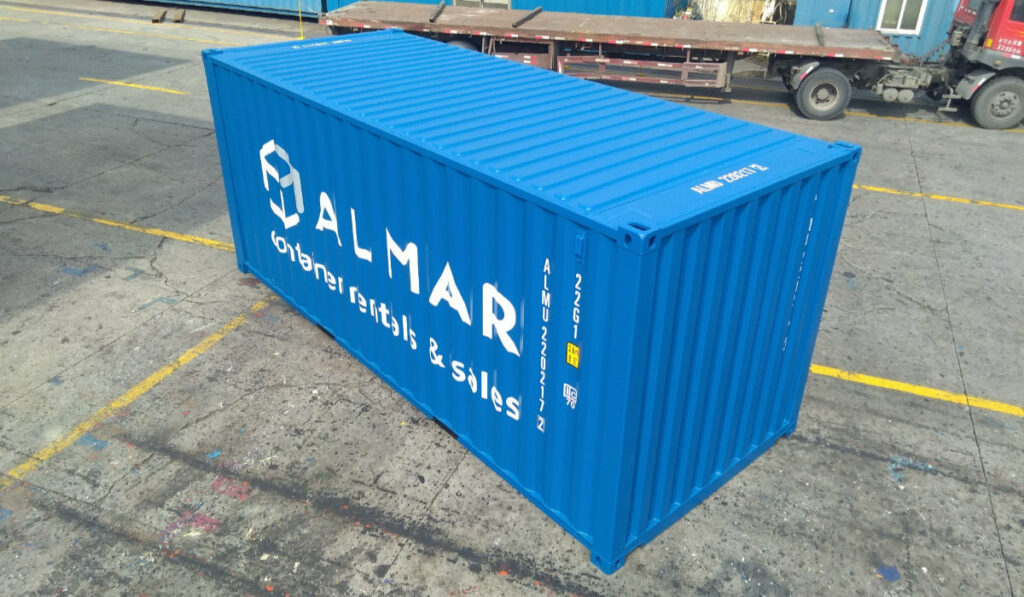
Containers are portable and can be delivered to your desired location. Conventional containers also known as dry shipping containers are ready to use upon arrival, requiring minimal setup time and effort. This is particularly advantageous for on-site offices, storage facilities, or temporary accommodation where time is of the essence.
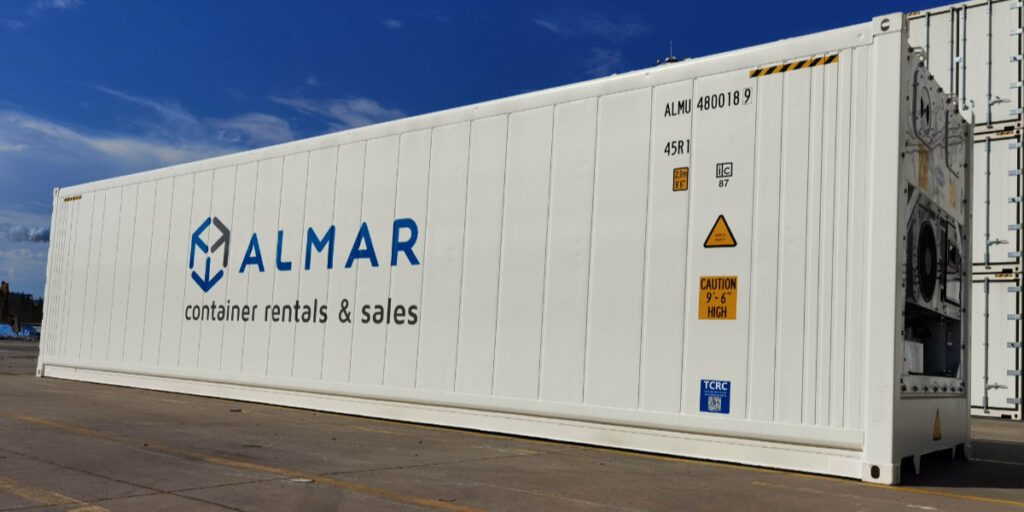
Below are a few simple guidelines that need to be followed for refrigerated container rental: 

The Versatility of Container Rental

Containers are versatile and can serve various purposes. Dry shipping containers can be used for storage, transportation, offices, retail spaces, housing, events, security structures, and more. Container rental allows you to leverage their functionality for specific projects without committing to long-term ownership. 
Maintenance and Support for Refrigerated Containers: 

When renting a refrigerated container from Almar Kenya we implement bi-annual services which include:

Container Rental is Scalable

If your business expands or your needs change over time, container rental allows you to easily scale up and down as required. You can adjust the number of rented containers to match your evolving requirements without being constrained by owning a fixed number of units. 

Shipping containers offer a cost-effective, flexible, and convenient solution for a wide range of applications, making them the ideal choice for your business or personal use. For more information on container rental email sales.ke@almar.co.ke or phone +254 719 675 272.

Almar East Africa implements regular maintenance on their refrigerated container and reefer genset fleets to ensure that they are in optimum condition for our customers.

Refrigerated Containers, also known as reefers, come in 6m and 12m sizes and are a mobile and secure cold storage solution. Services are done bi-annually and include pre-trip inspection, the calibrating of configurations and settings, fault finding, and rectification. Physical cleaning of the containers takes place along with the replacement of parts that may be faulty and the updating of electrical software.

Almar's reefers keep your contents at a consistent temperature ranging between -25°C and +25°C. The temperature can be adjusted and controlled to within 0.3°C of the required set point and require a three-phase 380v power supply. A reefer is the quickest means of obtaining bulk cold storage. The container can be placed close to where the end product needs to be, in turn saving you transportation costs. All Almar refrigerated containers are Carrier, a world-leading brand in container refrigeration.

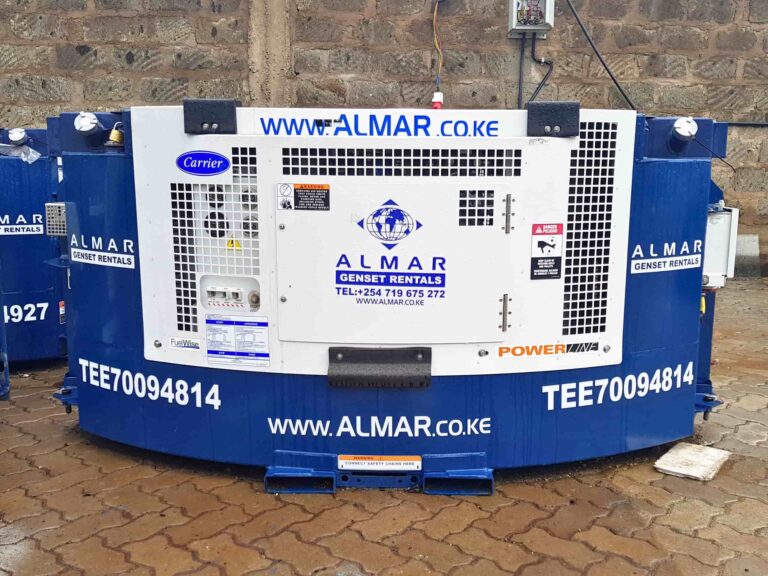
Clip-on reefer Gensets are diesel generators used to power refrigerated containers. They are offered on a rental basis for running reefers in remote locations, or alternatively for reefers on trucks for the transportation of perishable cargo.

They are easy and fast to start. The powerline start/stop switch is easily accessible, and the in-air intake manifold heater allows for fast starting and trouble-free operation, even at low ambient temperatures. Attaching and disconnecting the generator takes just minutes as the pin mounting bracket design saves time. The self-aligning ratcheted clamp locks allow safe, secure attachment to corner castings.

The servicing and maintenance of Gensets, which is implemented every 2000 to 3000 hours, includes preventative and routine checks, setting adjustments for voltage, current, and frequency for standard reefer loading capacity. Physical cleaning of the body and engine and engine test for load, compression, and continuous performance was also conducted.

For more information on reefers, Gensets, or any of Almar’s container products please phone Almar East Africa at +254 719 675 272.

Maintaining product at the optimum temperature is essential in the food and medicine industries. Operators know they need to avoid thawing or defrosting at all costs. Or else they have to dispose of their damaged product in accordance with national safety rules.

This discipline applies equally to when the goods are in transit. Handling freezer containers outside the controlled zone must be kept to a bare minimum, and goods must be carefully restacked on arrival. Much value can be lost during handling. Everything may be ruined during a lengthy grid outage.

Hence wise operators back their stainless-steel freezer and chiller rooms with standby petrol and diesel generators. However, their thundering sounds are not conducive to enjoying quiet conversations in upmarket restaurants and hotels. Supermarket chains are coming to the same conclusion: site them elsewhere.

The Solution is Converting Shipping Containers to Freezer Containers

A gleaming stainless-steel chiller room or freezer room is not a stand-alone structure. Refrigeration engineers design them as rooms-within-rooms meaning you first need to build your structure and then install your cooler room.

After that, you are stuck with your location. Although you could theoretically dismantle the insulated panels and reassemble them elsewhere. However, your costs are racking up all the time. Moreover, we have had some chefs tell us the panels never work as well the second time around. They are concerned about residue building up in the joints.

What We Do Instead to Save You Money and Time

We convert 6-metre and 12-metre intermodal shipping containers into freezer containers and cool rooms. After we line them with new, industry-standard ceilings, walls and floors, they can do temperatures as low as -18ºC on 380 volts. However, if you only need a cold room running at say +5ºC we can achieve this with 240 volts.

After you apply power and allow the room to cool down, you have a cold room or freezer room as good as any regular one. We can say that with confidence because we use the same insulating materials. Moreover, we have a jump on the rest because our freezer containers are portable.

That’s right! Our converted shipping containers are as good as having freezer rooms and cooler rooms on wheels. One seafood wholesaler loads his portable freezer container directly from trawlers moored alongside wharves.

Then he takes it back to his depot on a flatbed with a lifting crane. That way he has perfect control over his frozen stock at all times!

Request a Quote

crossmenu