
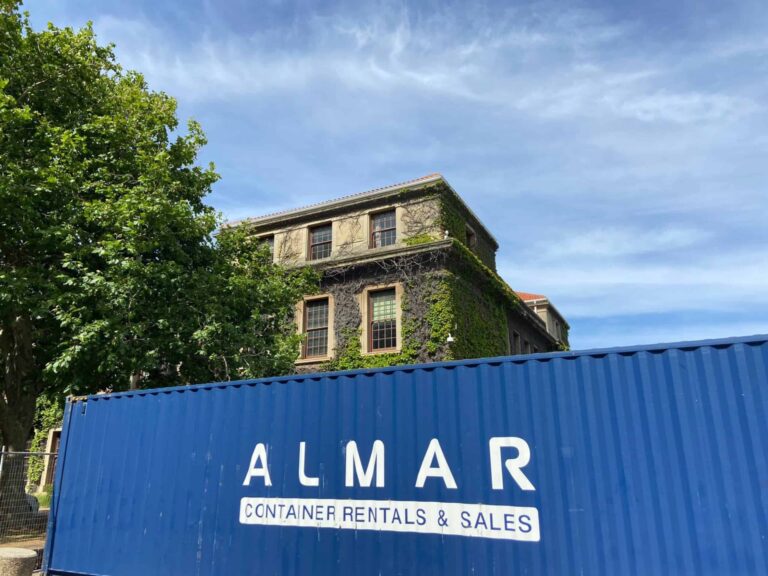
Shipping containers are built to withstand tough conditions, so even after years of use, they can still have a long working life ahead of them.

But how long does a shipping container actually last - and is a newer container always better value?

How Long Can a Shipping Container Last?

A well-maintained shipping container can remain useful for 20 years or more, depending on its condition, environment and how it is used.

Containers used for stationary storage generally experience less wear than those continuously handled and moved, which can extend their useful lifespan considerably.

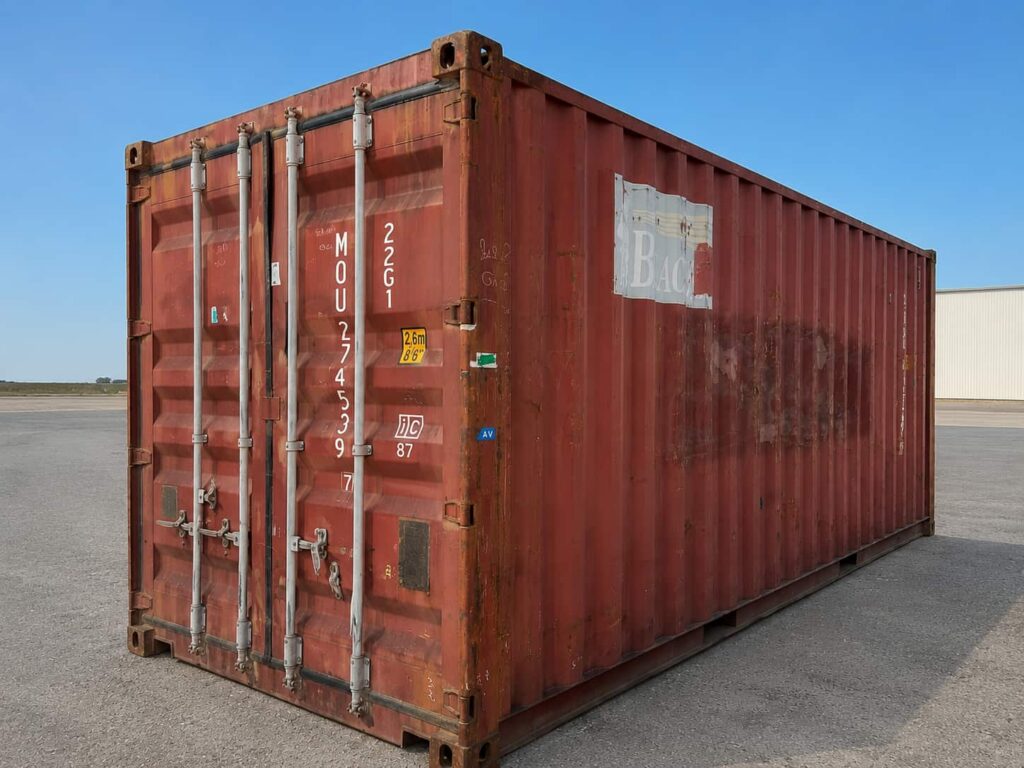
Used Grade B shipping container showing visible wear and weathering

What Affects a Container’s Lifespan?

The biggest factors are rust, moisture, physical damage and maintenance.

This is particularly relevant in East Africa, where conditions can vary significantly between humid coastal areas such as Mombasa and drier inland locations.

Placing a container on firm, well-drained ground and dealing with rust or damaged paint early can help protect the steel and extend its life.

New or Used: Which Offers Better Value?

A new or one-trip container will generally offer the longest potential lifespan, with minimal wear and a cleaner overall appearance.

A used container, however, can provide excellent value when appearance is less important.  Dents, scratches and faded paint don't necessarily affect its ability to provide secure, weather-resistant storage.

The best choice depends on what you're storing, your budget and how long you expect to use the container.

Choose a Container for the Job

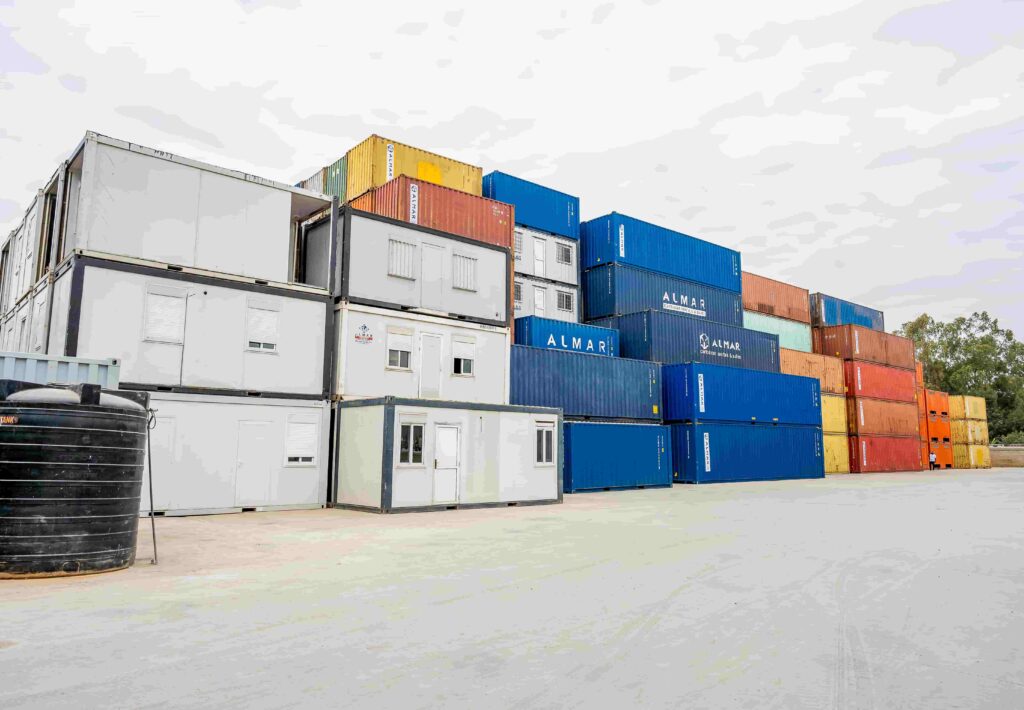
Shipping containers stacked at the Almar Containers depot in Kenya

Age is only one part of choosing a shipping container. Condition and intended use matter just as much.

Almar Container Group supplies 20ft and 40ft shipping containers, with options to suit different storage requirements and budgets.

Looking for the right shipping container for your business? Contact Almar Container Group Kenya and our team will help you choose a container that offers the right balance of condition, lifespan and value.

Taking delivery of a shipping container is an exciting milestone for any business. Whether you are expanding your storage capacity, setting up a reliable cold chain solution, or optimizing your regional logistics footprint, a container provides immediate, secure, and flexible infrastructure exactly where you need it.

However, a successful delivery doesn’t happen by accident.  Shipping containers are large, heavy pieces of engineering, and the vehicles that deliver them require ample space and a solid foundation to operate safely.  At Almar Container Group, we want your delivery day to go as smoothly as possible.  This practical guide covers exactly what to expect on the day and how to prepare your site to ensure a seamless drop-off.

Understand Your Equipment and Delivery Mechanism

The type of container you have ordered dictates both its site requirements and how it will be delivered.  Different units serve distinct operational purposes across various industries:

Dry Storage Containers

The versatile, robust workhorses of industries ranging from manufacturing to retail.  These require a flat, level surface and clear access, but no utility connections.

Refrigerated Containers & Reefer Containers

Vital for agriculture, fresh produce and pharmaceutical sectors.  Beyond physical space, these units require a specific, compliant power source to control internal temperatures reliably.

Delivery is typically executed via a crane truck (HIAB) or a sidelifter.  A crane truck lifts the container from above and swings it into position adjacent to the vehicle, while a sidelifter drops the container parallel to the trailer on the driver’s side.  Knowing which vehicle is coming helps you map out the exact path and final resting spot.

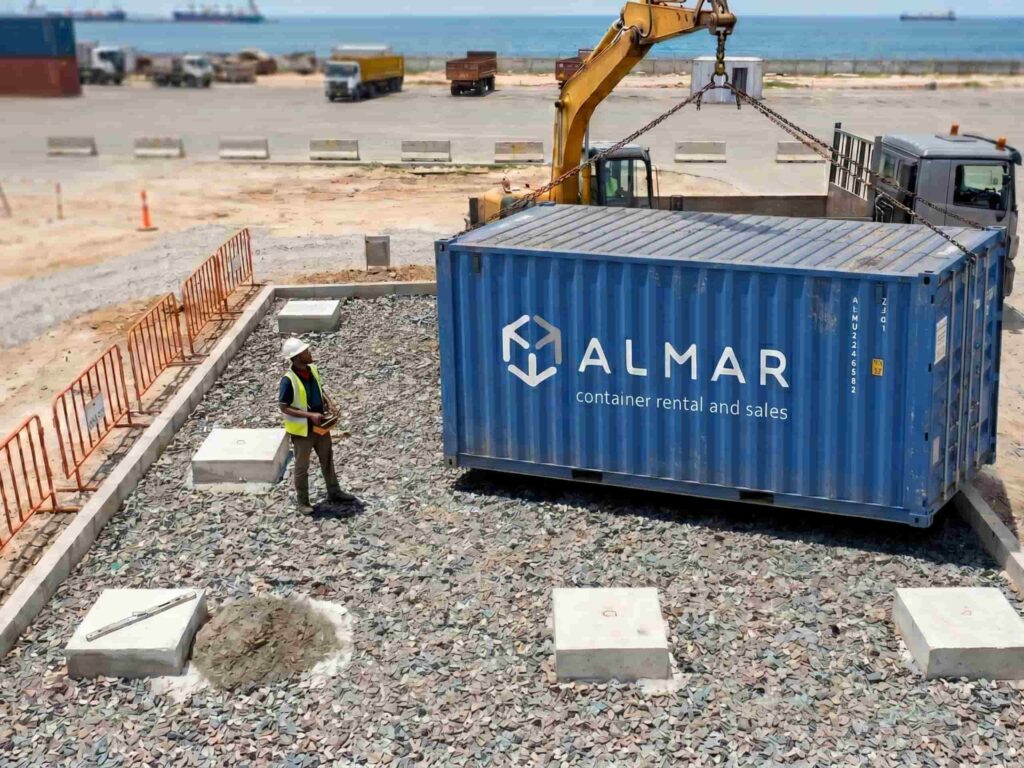
Almar Container Group 20ft blue storage container being placed on-site for secure storage solutions.

Clear the Access Route

A delivery truck needs a clear path long before it reaches the exact spot where the container will sit.  Consider the route from the main access road all the way to your property gates and drop zone:

Clearance Heights

Check for low-hanging tree branches, overhead power lines, entrance arches, or facility gates.  Delivery vehicles require at least 5 meters of vertical clearance.

Turning Radii

A standard truck carrying a 20ft or 40ft container is long and rigid. Ensure there are no tight corners, parked cars, or narrow alleyways that could trap or restrict the vehicle.

Ground Conditions

Depending on the season - particularly during the rainy periods - unpaved approach roads can become soft and muddy.  A heavy delivery truck can easily sink or get stuck. Ensure the access path is compacted, dry and capable of supporting heavy axle loads.

Delivery Tip

Always inform the Almar team of any specific site quirks, such as steep gradients, sharp bends, or restricted operational hours within your commercial zone.

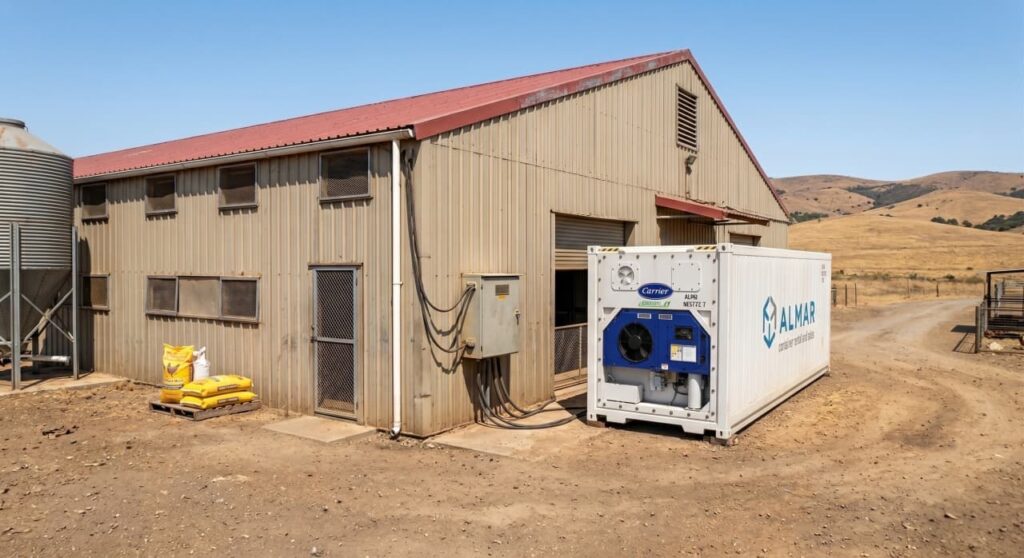
Almar Container Group 20ft refrigerated container reefer unit placed on-site at a farm for agricultural cold storage.

Prepare the Ground (The Foundation)

Where your container rests matters tremendously for its long-term functionality.  If a container sits on uneven or sinking ground, the frame can twist slightly over time.  This subtle twist can cause the heavy lock rods and doors to jam or become incredibly difficult to open and close.

Ideally, your site should be level, firm and well-drained.  Excellent options include:

Thick concrete slabs

Compacted gravel beds

Asphalt or paved yards

If you are placing the unit on bare ground or grass, we highly recommend positioning concrete paving blocks or treated timber sleepers under the four corners of the container.  This elevates the structure slightly, protects the base from pooling ground moisture, and prevents it from settling unevenly into the earth.

Specialized Site Preparation for Reefer Containers

If you are receiving a Refrigerated Container, physical space is only half the battle.  To keep your cold chain intact and your temperature-sensitive cargo secure, your power supply must be ready to go prior to truck arrival:

Power Requirements

Standard reefers run on 380V - 460V three-phase power (50Hz or 60Hz).  A standard domestic plug will not work.

Isolator Switch

You must have a dedicated circuit breaker or an outdoor-rated, weather-proof isolator switch installed close to the container site so the power cable can safely connect.

Airflow

Ensure there is at least a one-meter clearance around the machinery/cooling end of the container to allow the system to exhaust heat efficiently.

Final Checklist for Delivery Day

On the morning of your delivery, take ten minutes to do a final walk-through:

Ensure the delivery zone is entirely clear of debris, equipment and unauthorized personnel.

Confirm which way you want the container doors to face - once a container is on the ground, changing its orientation requires bringing a crane truck back out.

Have a designated site representative present to guide the driver and sign off on the placement.

Proper site preparation saves time, protects your property and ensures your investment is set up for maximum longevity.  

If you have questions about whether your site is ready or need advice on choosing between a 20ft or 40ft unit, the team at Almar Container Group is always here to guide you through the process.

The recent escalation in the Middle East has sent shockwaves through the Port of Mombasa and Nairobi’s cargo hubs.  With the Strait of Hormuz effectively closed and regional airspace restricted, Kenya’s vital export "pipeline" to the Gulf has been severed.

For businesses navigating this volatility, the demand for shipping container rentals and sales has spiked.  The challenge is no longer just moving goods - it is preserving and protecting them while the world waits for a logistical resolution.  Almar is helping businesses bridge the gap with specialized mobile storage containers and infrastructure solutions.

Creating On-Site "Buffer" Storage for Stalled Exports

With traditional warehouses reaching capacity, many exporters are turning to shipping container sales to create permanent, on-site storage assets.  By deploying 6m and 12m dry units as mobile storage containers directly to your facility, you can bypass escalating third-party fees.

Whether you prefer the flexibility of shipping container rentals or the long-term value of a purchase, having your own "buffer" warehouse is the ultimate risk-mitigation strategy. It allows you to hold your stock - such as bagged tea or dry goods - securely on-site until shipping lanes stabilize.

Deploying Mobile Cold Chains for Perishable Survival

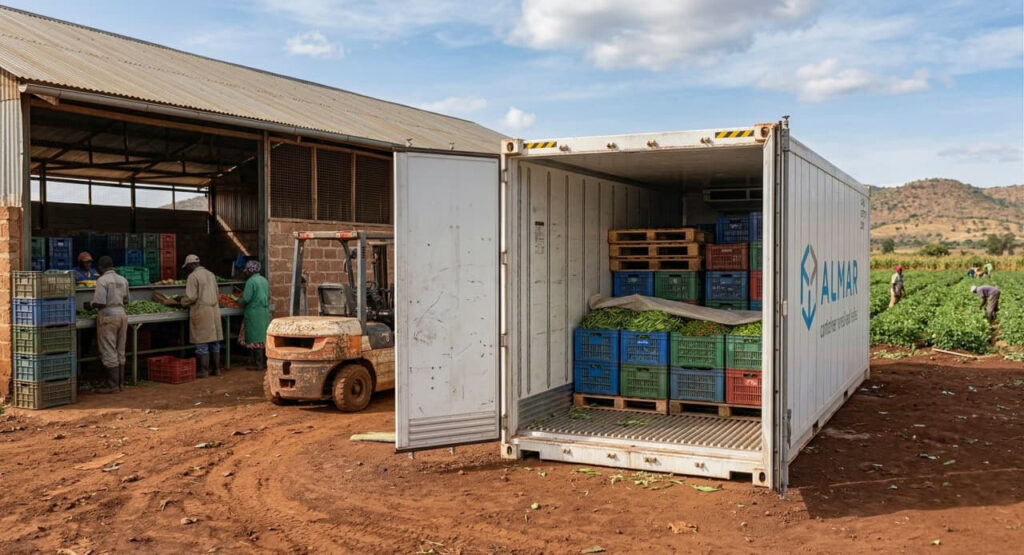
An Almar branded 6m reefer container placed on a Kenyan farm to provide immediate on-site cold storage for export crops.

The meat and avocado sectors have been hit hardest by the 2026 crisis.  If your cargo can’t fly or ship today, it must stay at a precise temperature to survive the delay.  This is where specialized Refrigerated Containers (also known as Reefer Containers) become essential.

Almar’s refrigerated containers act as "plug-and-play" cold rooms.  They allow you to maintain the cold chain for meat or fresh produce right on your farm or processing site, providing the "staying power" to wait for more affordable freight options without losing your harvest.

Strategic Solutions for Bulk Liquids and ISO Tanks

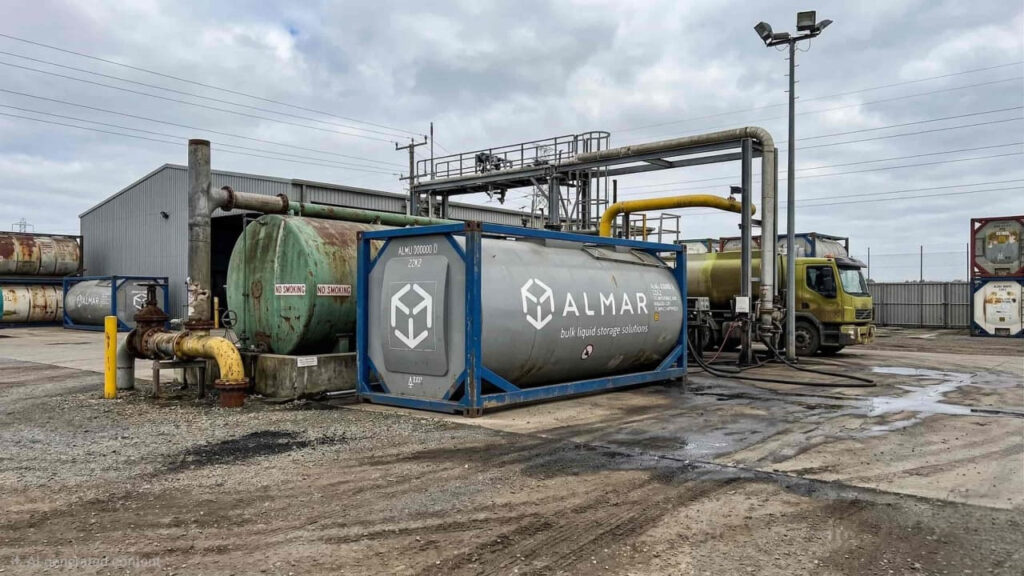
While global disruption has made the movement of chemicals and food-grade liquids difficult, ISO Tanks remain the gold standard for safety.  

For local Kenyan producers looking to store water, non-hazardous or hazardous liquids on-site, our mobile storage containers can be used to suit specific containment and distribution needs.

Almar branded ISO Tank container in a logistics yard with industrial piping, tank trailers, and a warehouse.

Scaling Up with Modular Fabrication

The 2026 crisis is a wake-up call for Kenya to move toward "value-addition" and localized distribution. Shipping container rentals and sales provide the fastest way to build the infrastructure needed to reach customers directly.

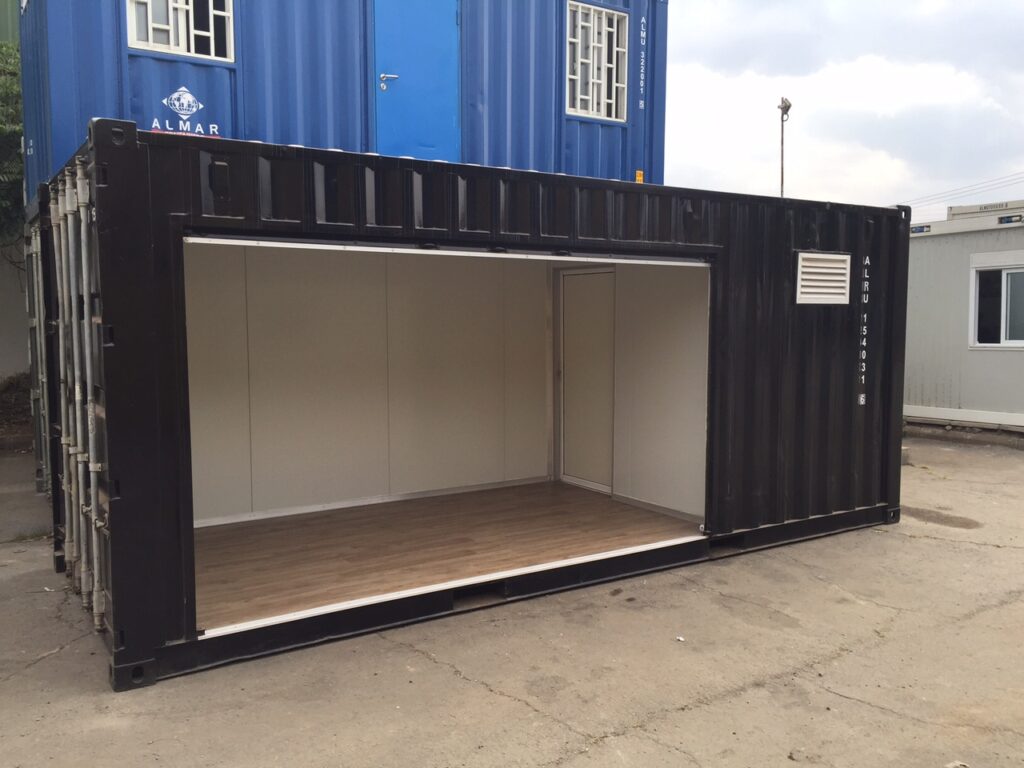
Through custom container fabrications, we convert standard units into professional retail outlets, farm stalls, or distribution kiosks. This allows you to pivot your business model instantly—transforming a stalled export harvest into a "shelf-ready" retail operation right where the demand is.  By using modular units to sell directly to the local market, your business becomes far less vulnerable to global shipping disruptions.

A custom-fabricated Almar shipping container converted into a vibrant, branded retail farm stall selling fresh produce in Kenya.

Secure Your Supply Chain Today

While global geopolitics are out of your control, the safety of your inventory is not.  From high-spec reefer containers to specialized mobile storage containers, Almar Kenya provides the infrastructure you need to weather the storm.

Don’t let your harvest become a loss.

Contact our offices to discuss how our storage container rentals and sales can secure your business's future.

Kenya’s rainy season can be demanding, especially for businesses that rely on outdoor storage.  Heavy rainfall, high humidity and soft ground conditions naturally raise an important question – can shipping containers really cope with this environment?

The short answer is yes – when the right container is supplied and correctly set up on site.

Shipping containers are built from weather-resistant Corten steel and are designed to handle extreme conditions at sea.  This makes them well suited to Kenya’s climate. What matters most, however, is the condition of the container itself.  At Almar, every unit is inspected before delivery to ensure door seals, roof panels and structural components are in good order, helping prevent water access during prolonged rain.

20ft Almar shipping container on a stable raised base during heavy rain in Kenya

A common concern for many customers is moisture inside the container.  It is important to distinguish between leaks and condensation.  Leaks are caused by damaged seals or poorly maintained units, while condensation is the result of warm air inside the container meeting cooler steel surfaces.  

Ground preparation also plays a major role during the rainy season.  Containers should always be placed on a stable, well-drained base to avoid uneven settlement, water pooling underneath and door alignment problems.  Simple site preparation makes a significant difference to how reliably a container performs over time.

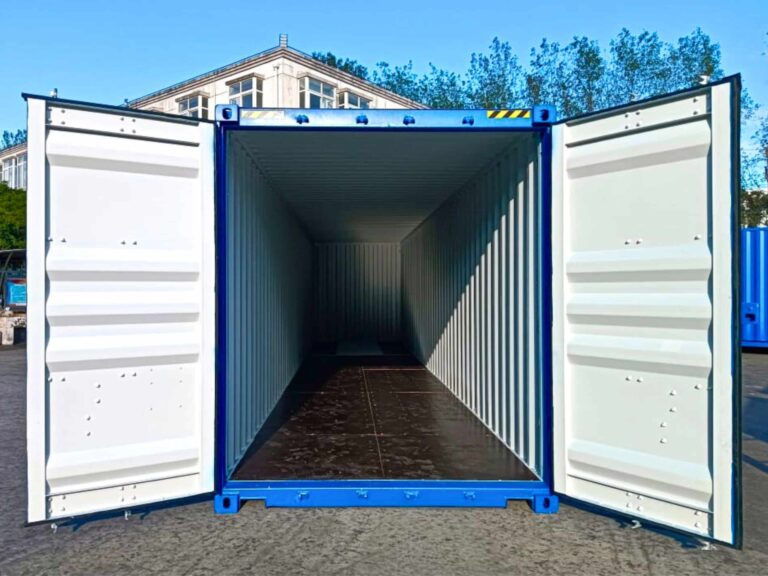
Interior of a clean, empty Almar shipping container showing intact door seals and weather-resistant Corten steel walls

When supplied and positioned correctly, shipping containers remain a dependable long-term storage solution throughout Kenya’s rainy months.  They are widely used for construction materials, agricultural inputs, spare parts and equipment, while Almar’s reefer containers provide controlled environments for goods that require temperature stability.

The real difference lies in choosing the right supplier.  Almar containers are delivered ready for use, backed by a local team and a regional footprint that allows us to respond quickly and support customers when it matters most.

Our approach remains the same across every project – Simple. Reliable. Fast.

If you are planning storage or cold storage solutions for the coming rainy season, speak to the Almar Kenya team. We’ll help you choose a container solution that performs reliably, whatever the weather.

Almar Kenya offers dry (conventional) and refrigerated shipping container rental which can be beneficial for a variety of reasons as per below:

Container Rental is Cost-effective

Shipping container rental is often a more cost-effective solution compared to buying them, especially if you only require them for a limited period of time. Renting a container eliminates the need for a larger upfront investment and allows you to allocate your funds to other essential financial outlays of your business or project.

Container Rental is Flexible

Container rental provides flexibility in terms of the number of containers you require and how long you need them for. You can rent containers for as long as you need them – weeks, months, or even years. You can also adjust the number of containers rented based on your changing needs. This adaptability is particularly valuable for temporary projects, during construction, and events for businesses with fluctuating demands.
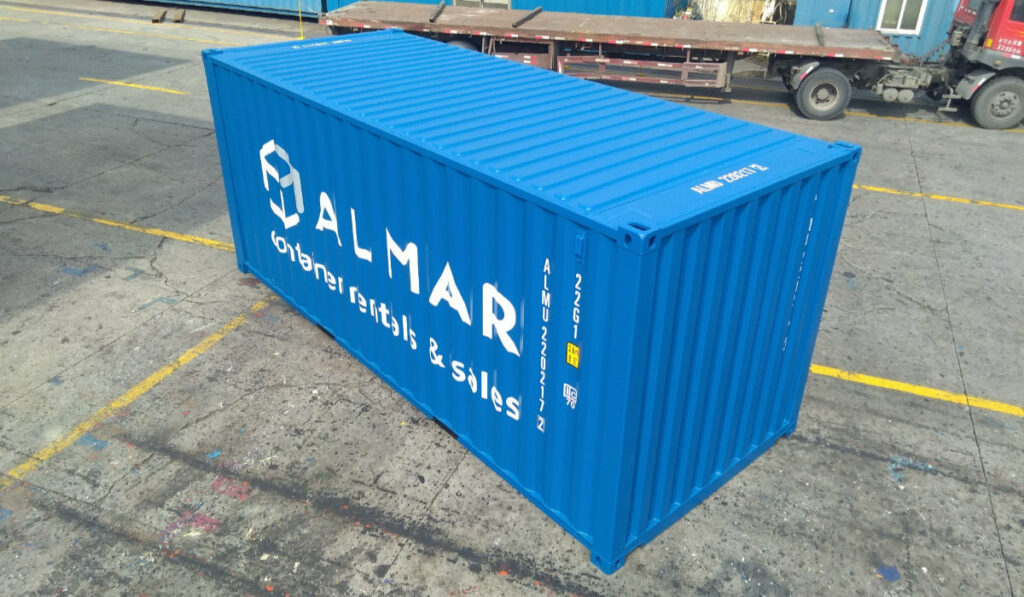
Quick and Easy Setup

Containers are portable and can be delivered to your desired location. Conventional containers also known as dry shipping containers are ready to use upon arrival, requiring minimal setup time and effort. This is particularly advantageous for on-site offices, storage facilities, or temporary accommodation where time is of the essence.
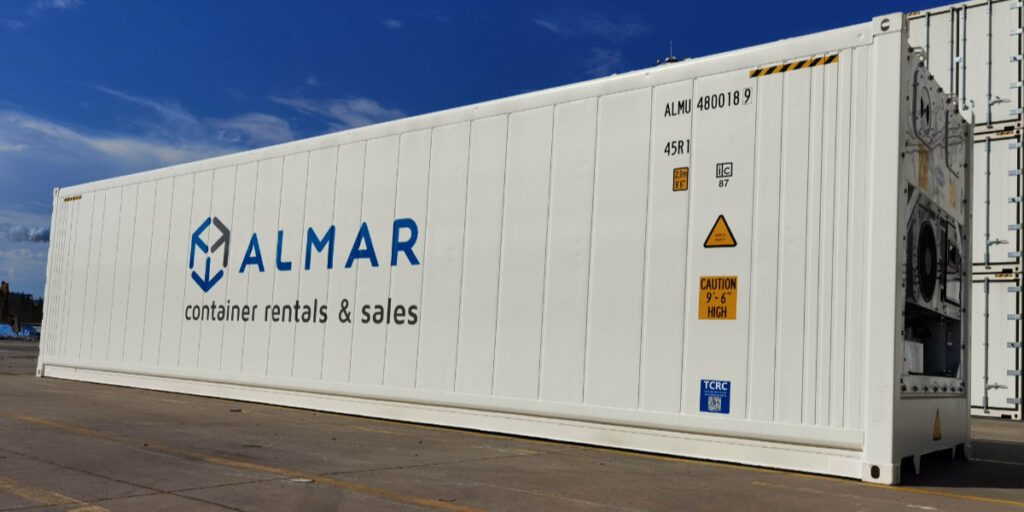
Below are a few simple guidelines that need to be followed for refrigerated container rental: 

The Versatility of Container Rental

Containers are versatile and can serve various purposes. Dry shipping containers can be used for storage, transportation, offices, retail spaces, housing, events, security structures, and more. Container rental allows you to leverage their functionality for specific projects without committing to long-term ownership. 
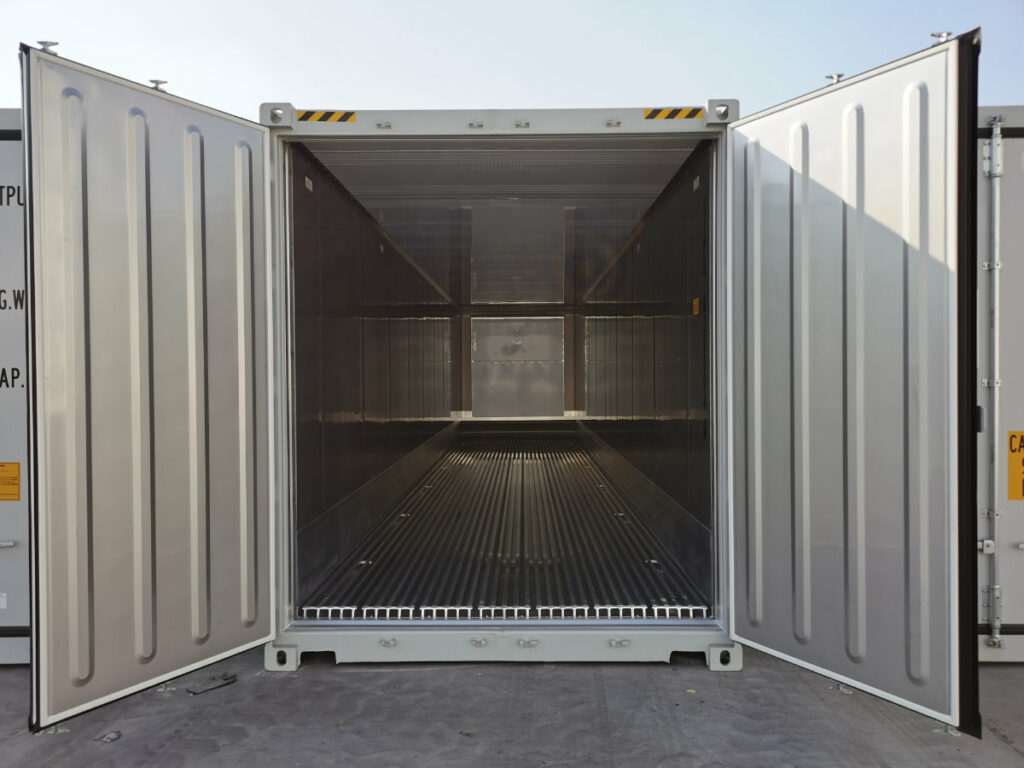
Maintenance and Support for Refrigerated Containers: 

When renting a refrigerated container from Almar Kenya we implement bi-annual services which include:

Container Rental is Scalable

If your business expands or your needs change over time, container rental allows you to easily scale up and down as required. You can adjust the number of rented containers to match your evolving requirements without being constrained by owning a fixed number of units. 

Shipping containers offer a cost-effective, flexible, and convenient solution for a wide range of applications, making them the ideal choice for your business or personal use. For more information on container rental email sales.ke@almar.co.ke or phone +254 719 675 272.

Unfortunately, container fraud is rampant in East Africa and if you’re not careful you could get scammed. Here are some steps to avoid this:

  1. Investigate what companies are charging for containers in general. A significantly cheaper price should raise concerns.
  2. Don’t be bullied into a sale with limited-time offers or claims that “this is the last container at this price”.
  3. Only deal with container companies that are established and have a historical track record you can verify.
  4. Don’t rely on website reviews which can easily be fabricated. Rather check out third-party reviews like Google.
  5. No landline number on their website means that the “container supplier” has no physical presence.
  6. If they have an address on their website, don’t take it for granted that it’s genuine. Google Maps is your best friend to verify.
  7. You should call the seller. If they have a foreign accent this should raise the alarm. Some fraudsters operate from overseas without any East African presence.
  8. Check the container company’s website domain registration date at whois.com. If registered in recent months, treat them with suspicion.
  9. If you’re asked to confirm the bank account you’ll be using for payment, only mention the financial institution. They could be buying time to open up an account to receive your payment.
  10. All legitimate local companies ask for full payment upfront. Usually, scammers ask for 50% payment upfront with the balance due on delivery of the container but they don’t deliver.

For over 30 years, Almar Container Group has been providing container solutions to both international and domestic partners and continues to focus on building strong relationships based on trust, reliability, and quality as a key to our success.

Almar Kenya opened its doors in Mombasa in 2011 and in 2013, Almar broadened its Kenyan operation, opening up the East African head office in Nairobi. The operations in Nairobi extended to offer a full spectrum of services including gensets and reefer rentals as well as container conversions. For more information contact Kenya, Nairobi at sales.ke@almar.co.ke or phone at +254 719 675 272 or Kenya, Mombasa on sales.ke@almar.co.ke or phone +254 719 675 272

The Magical Kenya Open, presented by Johnnie Walker, started on Friday 19th March 2021 and Almar was delighted to be part of it. Almar Kenya was approached by Karen Country Club to assist with fabricated containers for last year’s Kenya Open golf tournament. Due to COVID, the tournament was sadly cancelled but the event organisers for this year’s event approached Almar for the same service.

Almar leased a number of converted containers to aid in the running of the event over a duration of 17 days from the 11th to the 26th March 2021. The containers supplied included nine offices for the event staff and two medical clinics used as COVID testing centres ensuring all COVID protocols were covered.
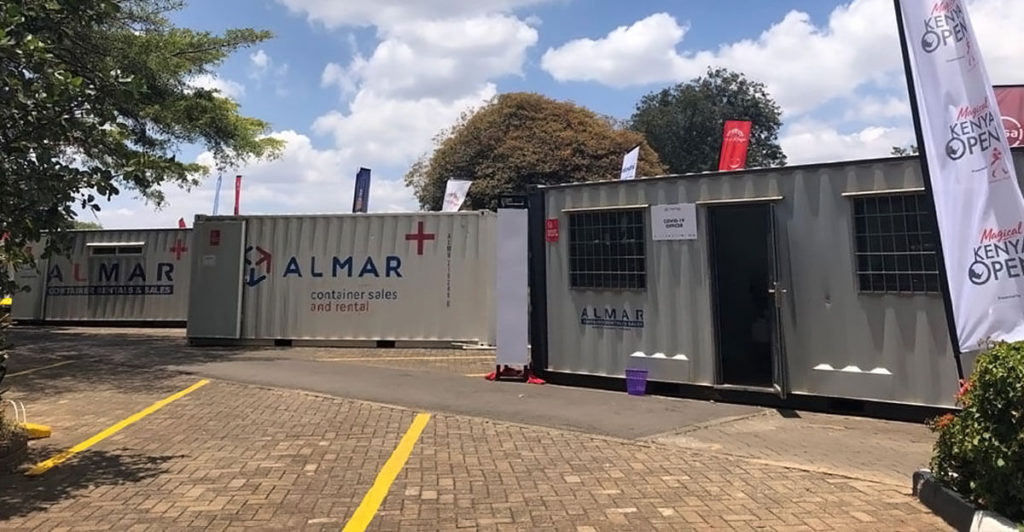
Golf Open Day

According to Lorna Onudi from Almar the lead time to deliver the units was very short. “The initial contact with the client was in February but the requirements and order were only finalised two days prior to delivery date.’’

“We mobilised the units in one day and had them all on site on 11th March. We undertook all the logistics for this short-team lease and our support staff ensured that the containers were thoroughly cleaned and in ‘tip-top’ condition for this prestigious event. As a result the customer was very happy,’’ concludes Lorna.

Background

The benefits of container conversions / fabrications

Shipping containers are strong, secure and modular, making them the perfect solution for just about any instant space requirement. They can be modified and converted into virtually any space and their durability allows for these spaces to be moved and positioned to form individual or multiple container structures.

Not only are they suited to rapid delivery due to their modular nature, they are perfect for remote camps for everything from office and accommodation requirements to medical facilities and training rooms.
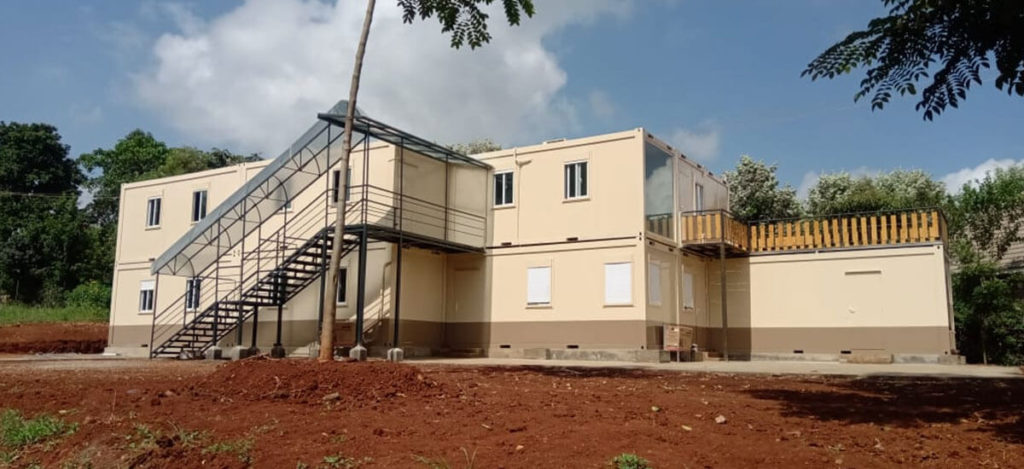
Internet Solutions

Almar Kenya built an office block for Internet Solutions (now under the Dimension Data umbrella) using flat pack containers, to cater to their corporate client who needed business recovery work stations available 24/7, 365 days of the year, in case of a major disruption to the business environment.

The container office build involved 23 flat packs stacked in two layers and included an open plan office space, reception area, meeting room, private office space, ablutions and a small kitchenette.

The Almar team in Kenya started placing containers on site to create these flat pack offices in late December 2019 and completed the build by mid-February 2020.

Great feedback from the customer was received…

“Thanks for your cooperation and we also look forward to working with you again in the future. We are speaking highly of your services in the market, and if you need to use us as a reference please don’t hesitate.”
– Richard Hechle, IS.


What are reefer containers?

Reefer containers are big, mobile fridges that are used to transport and store products that need to be temperature controlled such as fruits, meat, fish, seafood, vegetables, dairy, medication and beverages, for example.

Refrigerated containers, known as reefers, keep fresh produce, perishable items, medicines, anatomical waste and beverages cold or frozen. These 20ft (6m) and 40ft (12m) containers are 2.4m wide and run on three phase (380 - 460v) power and can keep the contents at a consistent temperature ranging between -25°C and +25°C. Temperature can be adjusted and controlled to within 0.3°C of required set point.


How do reefer containers work?

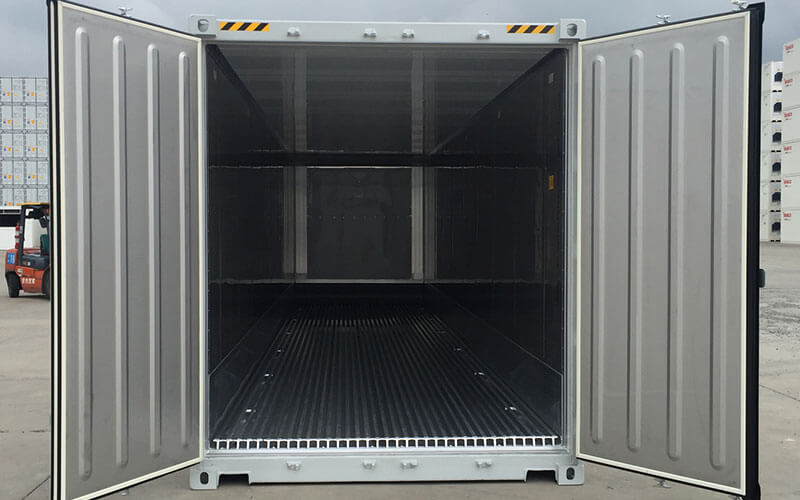
Reefer containers are bottom air delivery units designed to distribute chilled air from the floor, via specific T-shaped decking, with the advantage of producing a consistent and uniform flow of air across the entire container, powerful enough to ensure a perfect air exchange with the goods.

Although not necessary, storing produce on pallets in reefers assists with stacking, loading and offloading. Nine pallets fit into a 20ft container while 20 pallets fit into a 40ft container.


How are reefer containers powered?

Each container is supplied with a length of power cable between 10 and 15m long (4 core, 4mm2 cable) and a standard marine grade IP65 rated CEE 17 plug with a 3’Clock earth pin. The electrical point required is a CEE 17 coupler with 3’Clock earth with a 32A D curve circuit breaker to protect the cable / electrical components. Alternatively, remove the C17 plug completely and wire directly into a 32A ‘D’ curve circuit breaker. NB – it requires a ‘D’ curve circuit breaker or motor start breaker. An industrial light start breaker will breakdown and cause single phasing and power supply problems. Reefers require a 3 Phase plus Earth connection – no Neutral is required.

It is important to note that a reefer cannot freeze unfrozen products. Reefers are holding freezers and will maintain the products temperature. The produce needs to be at the required temperature when packed into the reefers.


How easily available are reefer containers?

Reefers are available from Almar Container Group for short and long term rental. Dependent on the location, Almar reefers are rented on a fully supported basis with 24/7 technical support. Almar can assist with technical on-site installation of the reefers should this be required and technical support contact details are placed on all our refrigerated containers should you need to get hold of a technician.
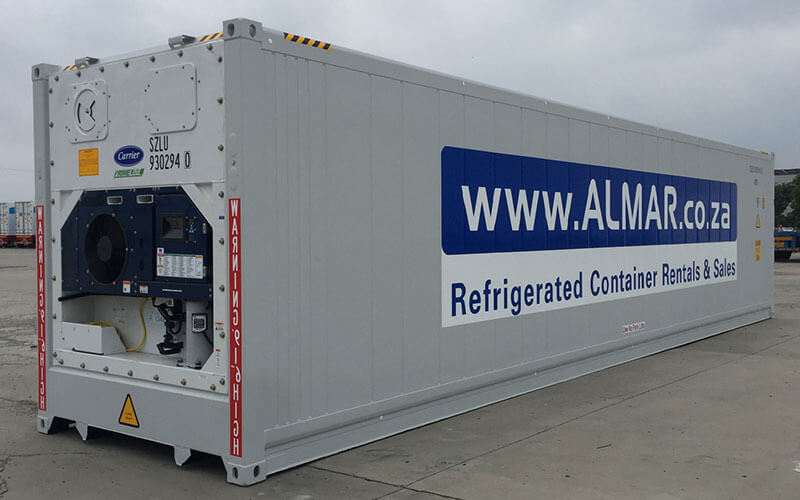


Are reefers cost effective?

With permanent cold storage facilities you can face high costs and issues with accessibility. Chances are that your cold storage facility won’t be near the place your products need to be transported to. Hence, you’re going to end up having to organise regular transportation, which will lead to spending even more.

A reefer is also much faster to obtain than constructing bulk cold storage. With a reefer, you can have the cold storage you need immediately.

Renting a reefer container from Almar means no additional expenses such as service costs, or expensive repair costs in the event of a mechanical breakdown. Almar takes the risk and covers all these costs.


Are reefers energy efficient?

Reefers are energy efficient. All Almar containers for rent are Carrier - a world-leading brand in container refrigeration. Their optimised assembly reduces power consumption but not airflow.

For minimal environmental impact, R-134a freon of the Carrier has a significantly lower atmospheric life and GWP (Global Warming Potential) than R-404A.


What is the cooling capacity of a reefer?

TemperatureWattsBtu/hr
2°C (35°F)12,00040,900
-18°C (0°F)6,60022,500
-29°C (-20°F)4,40015,000


What are the installation requirements of a reefer?

The site needs to be level and built from a suitable material that will prevent the container sinking into the ground. Make sure that the front and back of the unit is level and the doors are square. A slight fall towards the door end will facilitate the cleaning of the interior. This fall should be around 3 to 4 degrees.


How can I maintain a reefer?

The following basic steps can be taken to keep your refrigerated container in good working order:

Daily:

Keep a twice daily record of the temperature on the control panel to ensure any variations are noted. Ensure the container is switched to a manual defrost cycle before entering the container.

Monthly:

Ensure that no ice build-up is allowed to develop within the container, especially on the floor area and within the T-Bar flooring, as this may disrupt the airflow within the container and cause temperature fluctuations. A complete clean out and removal of ice may be called for.

Almar offers fully supported rental agreements, so we take care of the regular servicing, allowing you to focus on your core business.


Client uses of reefer containers:

According to Dave Williams of Almar Container Group, October, November and December is referred to in the industry as ‘reefer season’. This is because retailers need to stock up on additional fresh and frozen produce and renting temporary storage on their premises is the ideal solution. Outdoor events and festivals which require temporary dry and refrigerated storage also spike over these three months.

During ‘reefer season’ in South Africa, Almar Container Group supplied reefer containers to Rocking the Daisies, The BMW M Festival, The 9 hour endurance race at Kyalami, The Nedbank Golf Challenge and Corona Sunset Festivals to name a few. This saw a 48% percentage increase in reefer rentals for this three month period.

The Nedbank Golf Challenge, one of the highlights on the South African sporting calendar, make use of reefers for the tournament which forms part of the European Tour. They rent up to 30 Almar reefers for the four day event held in November at Sun City, which attracts over 60 000 spectators. The reefers keep their stock cold, secure and at their fingertips for the duration of the tournament.

The Saudi Government organises one of the biggest entertainment events in the region called Dairiyah Seasons which runs for a month from the end of November to the end of December. The event attracts renowned global artists and entertainers with the venue extending over 130 000 square meters and attracting over one million visitors. Almar Saudi supplied a combination of 59 dry and reefer containers on a rental basis for this epic event.

Almar’s wide range of refrigerated containers provide a versatile and cost effective alternative to typical cold storage solutions. Not only do refrigerated containers offer an instant secure cold room facility, for either chilled or frozen products, but they are also offered on a rental or outright purchase basis.

Almar Reefer Containers keep your perishable goods at the perfect temperature, in any environment.


What are the benefits of reefer containers?

Refrigerated containers are an easy way to increase your storage volume and offer many advantages which include the following:

crossmenu