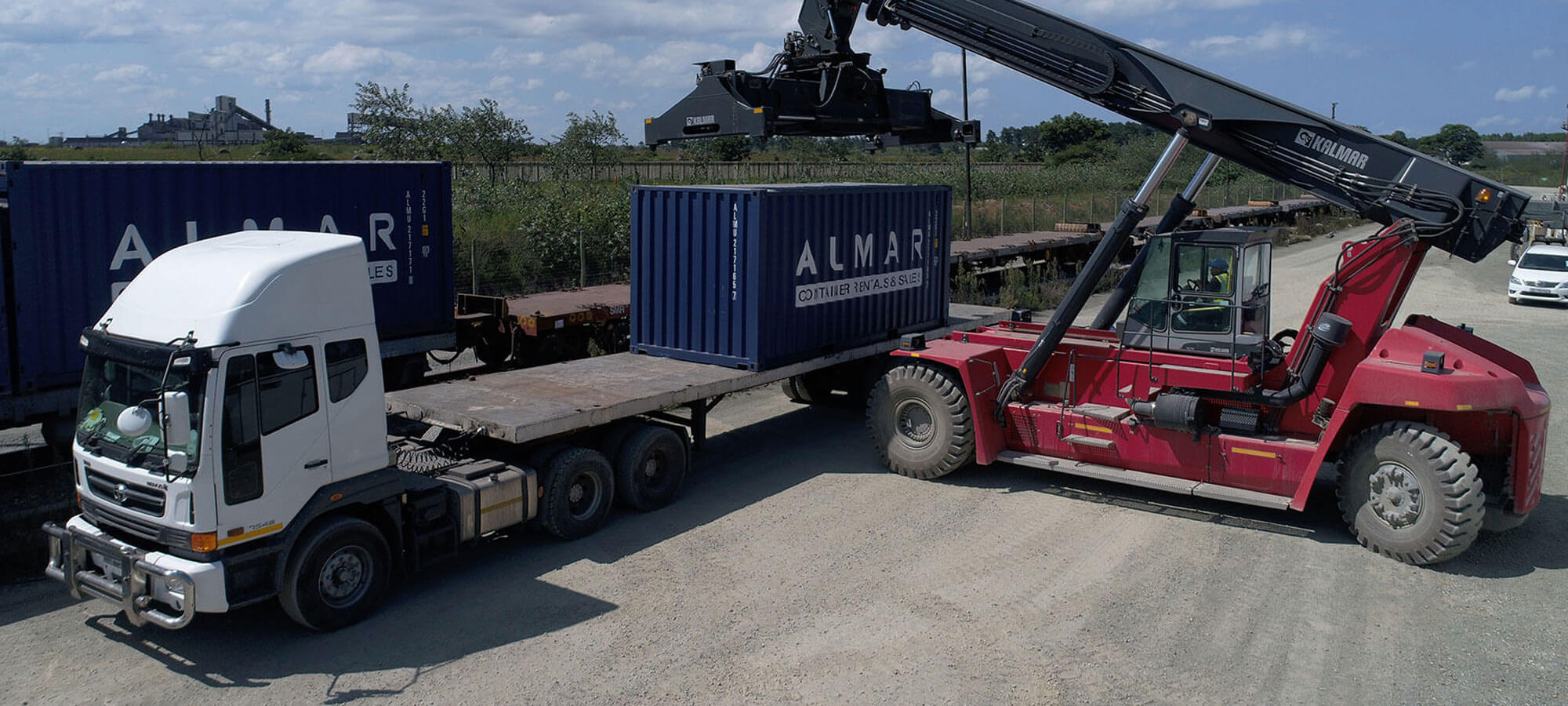

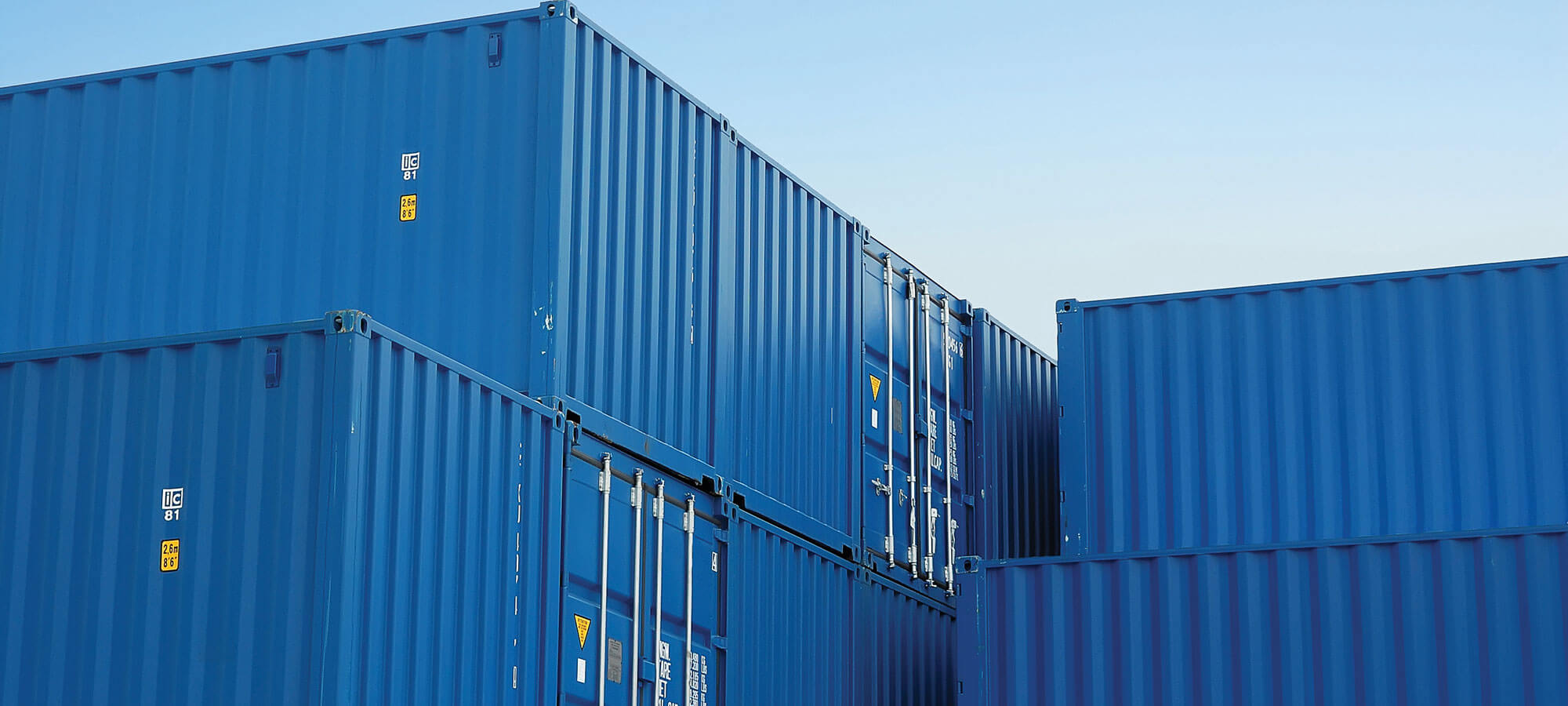
Known as intermodal containers, the standard steel boxes used for mobile storage across land and sea are made according to strict specifications established by the International Organization for Standardization (ISO) that develops and publishes international standards for just about everything. These shipping container design standards cover everything from size to the quality of steel used for construction, as well as the allowed gross weight of the ISO container.
Standards for an ISO Container
There are a number of different standards that specify standards for shipping container design. While the vast majority of containers are categorized for general purpose use, there are separate standards for reefers – an insulated shipping container that is also refrigerated – and other even more specialised units.
All ISO standards are available for purchase and they cannot be accessed unless paid for, although there are some “informative sections” of the ISO standards that are available publicly. These include the accepted definition of an ISO container and of a freight container.
- A freight container is intended for permanent and repeated use and should be designed specifically to facilitate transportation of goods. It should also be fitted with devices that will make it easy to handle and to transfer from one type of transportation to another. Freight containers that meet ISO specifications should be both easy to fill and empty and they should have an internal volume of at least one cubic meter.
- An ISO container is a type of freight container that meets the relevant ISO container standards.
In addition, there are freely available definitions for both container structures and components.


These are some of the more important standards that relate to any ISO container used for shipping:
- ISO 830:1999 that was reviewed and confirmed in 2016, is basically an ISO container dictionary that covers the “vocabulary” used to accurately describe freight containers.
- ISO 9891-1 specifies the various parts and components that must be used to construct an ISO container.
- ISO 1496 defines the internal dimensions for shipping container design.
- ISO 668: 2013 This is the standard for general purpose containers used for mobile storage that specifies their external dimensions as well as the minimal internal dimensions for door openings. There are currently amendments to this standard that are being developed.
- ISO 6346: 1995 This standard specifies what is required for the correct coding, identification, and marking of any ISO container according to the standard followed for manufacture. You will see this coding on the outside of any ISO container.
In addition, there are several standards that cover the specification and testing of:
- thermal containers
- tank containers that are manufactured for liquids, gases, and pressurized dry bulk goods
- non-pressurized containers used for dry bulk goods
- freight containers intended for platform and platform-based steel containers that don’t have side walls and are used for barrels, drums, and other items
There is also a standard, ISO 3874: 1997, that covers handling and securing of containers that are generally used for mobile storage.
Buy or Rent an ISO Container From Almar
Almar sells and rents out both new and used shipping containers in South Africa, Africa, and parts of the Middles East. All our containers are made to ISO standards. Contact us for details.