
How to Choose the Right Temperature for Chilled and Frozen Products

September 14, 2026
|

Temperature matters when you’re storing food. But colder isn’t always better.  Different products need different conditions to maintain their quality, freshness and shelf life.  Fresh produce may need gentle chilling, while frozen meat needs consistently low temperatures.

Products that need to be frozen quickly have another set of requirements altogether.Choosing the right cold storage solution starts with understanding what you’re storing - and what temperature it actually needs.

Chilled vs Frozen: What’s the Difference?

Chilled products are kept cold without being frozen, while frozen goods need to remain well below 0°C.

The important point is that there isn’t one temperature that suits everything.  A temperature that works well for dairy products may not be suitable for fresh produce, meat or frozen foods.

Here’s a useful general guide:

Product

Typical Storage Temperature

Fresh dairy products

+2°C to +5°C

Fresh meat and poultry

0°C to +4°C

Many fruits and vegetables

+2°C to +10°C*

Frozen meat and foods

-18°C or below

Ice cream

Around -18°C to -25°C

*Fresh produce varies considerably, so the recommended temperature should always be checked for the specific product.

When Do You Need a Chiller?

A Chiller is designed for products that need to be kept cool but not frozen.

Almar Chillers operate between +2°C and +10°C, making them suitable for products such as dairy, beverages, certain fresh produce and other temperature-sensitive goods.

They can also provide useful additional cold storage during seasonal peaks, increased production or when existing cold-room capacity simply isn’t enough.

Almar chiller container for temperature-controlled cold storage

When Is a Reefer the Better Choice?

Almar Reefer Containers operate across a much wider temperature range, from approximately +20°C to -35°C, making them suitable for both chilled and frozen storage.

They are particularly useful when products need to be maintained at a consistent temperature for extended periods.

However, there’s an important distinction: a Reefer is primarily designed to maintain the temperature of correctly prepared products.  It shouldn’t be expected to rapidly freeze a large quantity of warm product.

That’s where a Blast Freezer comes in.

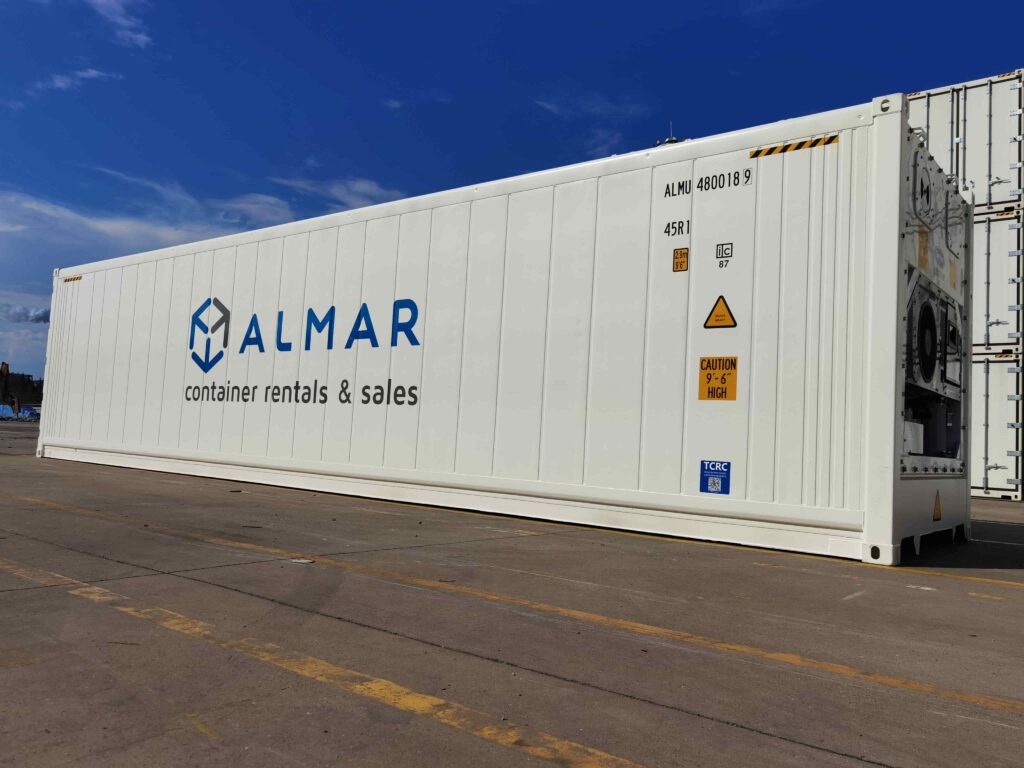
Almar reefer container for chilled and frozen cold storage

What About Blast Freezing?

Keeping something frozen and freezing something quickly are not the same job.

A Blast Freezer is designed for rapid temperature pull-down.  This is particularly important in industries such as meat processing, fisheries, bakeries, ice cream production, butcheries and abattoirs.

If a product needs to move from a warmer temperature to a frozen state quickly, a purpose-built Blast Freezer may be the more suitable solution.

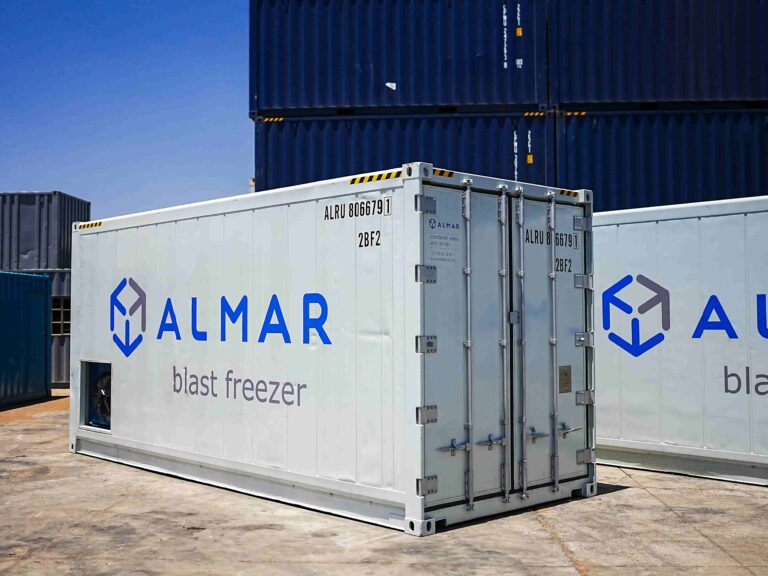
Almar blast freezer container for rapid freezing and cold storage

Which Cold Storage Solution Do You Need?

The easiest way to think about it is:

Chiller: Your product needs to stay cold, but not frozen.

Reefer: Your product needs to be maintained at a controlled chilled or frozen temperature.

Blast Freezer: Your product needs its temperature brought down rapidly.

Ultimately, the right choice depends on the product, its required storage temperature and what you need the equipment to do.

Need Help Choosing the Right Cold Storage Solution?

Almar Container Group provides Chillers, Reefer Containers and Blast Freezers for businesses across South Africa, backed by experienced technical support and maintenance.

Not sure which option is right for your products?  Contact Almar Container Group and our team will help you find the cold storage solution that best suits your requirements.

Looking for a Reliable Partner in Container Solutions?

Get a Quote

Request a Quote

    cross