Rental of Accommodation Container Camp for Project Staff
Customer:
Grupotec
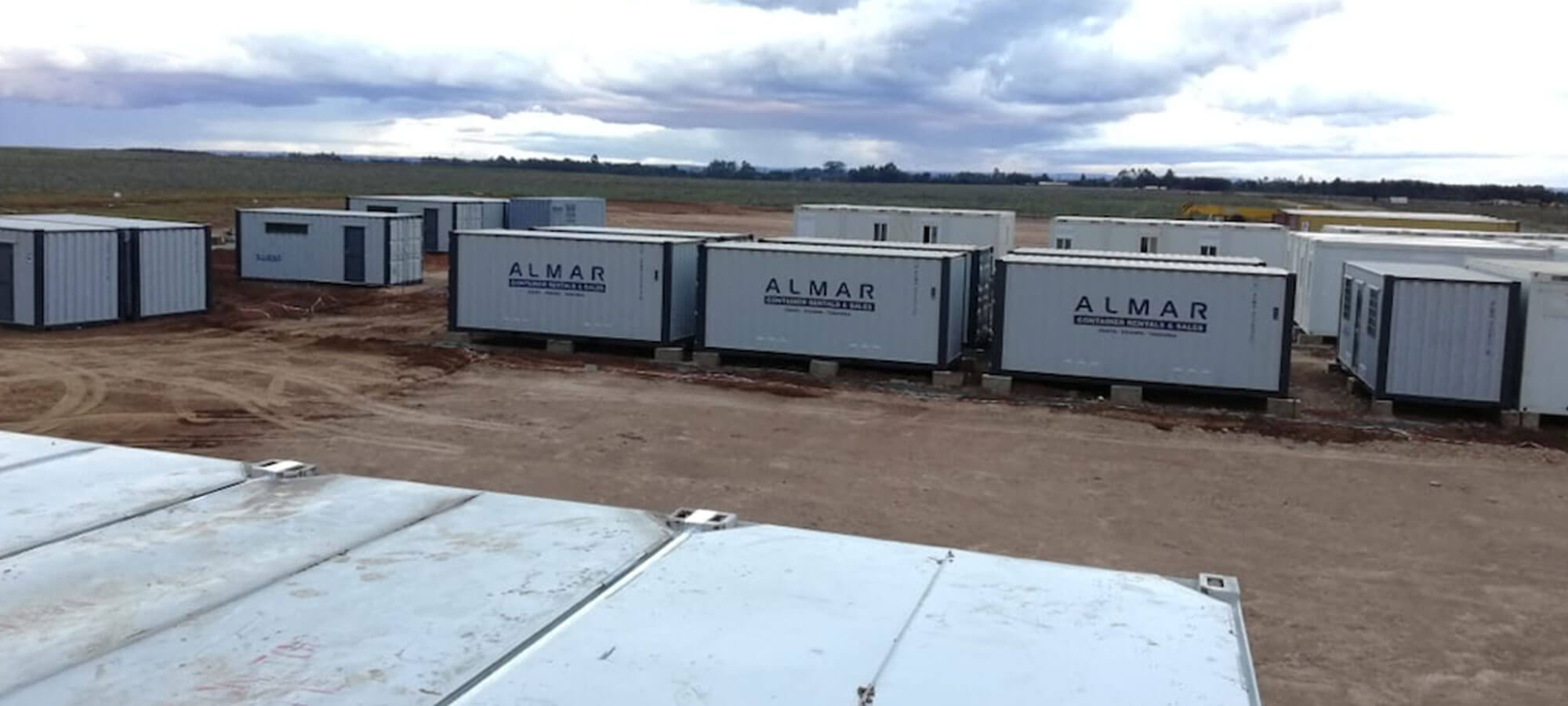
Grupotec was awarded the tender to build the largest solar plant in Africa. The 100MW project is situated in a remote location in Western Kenya, requiring all construction, engineering and management staff to be accommodated on site.
With deadlines for the project being very tight it was critical for Groupotec to have their team safely and quickly accommodated on site to allow them to start construction as soon as possible.
The camp, including a mixture of accommodation units, ablutions, kitchens, dinning rooms and boardroom facilities were deployed and installed in under 4 weeks. One of the critical components for us being able to deliver so swiftly was that we were able to deploy a mixture of ex stock accommodation container and ablution container units, as well as flatpack container modules which are able to be rapidly assembled on site.
We are also very proud that our site mobilisation team assembled and installed the camp safely, with ZERO loss of hours during the project.
The recent devastation that was seen when Cyclone Idai hit the coast of Mozambique and took that momentum all the way into Malawi and Zimbabwe leaving a trail of destruction was well covered by the media. As so often happens, the hysteria and panic attract large scale interest, but when it’s not close to home, the interest dies off very rapidly from both a media and practical support perspective.
The real challenge, however, is that the actual implications on the ground seem to often work the other way around. There is no doubt that the devastation caused by the event was widespread and extremely destructive, however, the consequences on the ground now continue to get worse for those left behind.
Many of the worst-hit regions are rural areas, densely populated with subsistence farmers who have lost their livelihoods. With much of the infrastructure wiped away, it has become impossible for them to get access to food and fresh water and the situation becomes more desperate with each passing day.
As a company without a footprint in Mozambique, it is difficult for us to assist practically. However, we are doing what we can and are trying to support those who are making a difference with practical support on the ground. We have donated 3 containers to date for the distribution of food and basic supplies and have donated $2,000 for clean up operations being carried out by the below two companies.
The company names have links to their support operations and we would like to implore you to have a look at what they are doing on the ground and support them in their efforts. Thank you to J&J Transport and LBH Mozambique for your efforts in improving the lives of those affected by Cyclone Idai.
Strictly speaking, a container is anything we put things in for safekeeping or to deliver them somewhere. Theoretically, a ‘container’ could be a corrugated or cardboard box, a crate, or even a drum. However, over the years the transport industry developed a large, robust cargo container ‘box’ with doors, and adapted the design so it could travel by ship, rail, or on a lowbed trailer.
Is a Cargo Container the Same as an Intermodal Container?
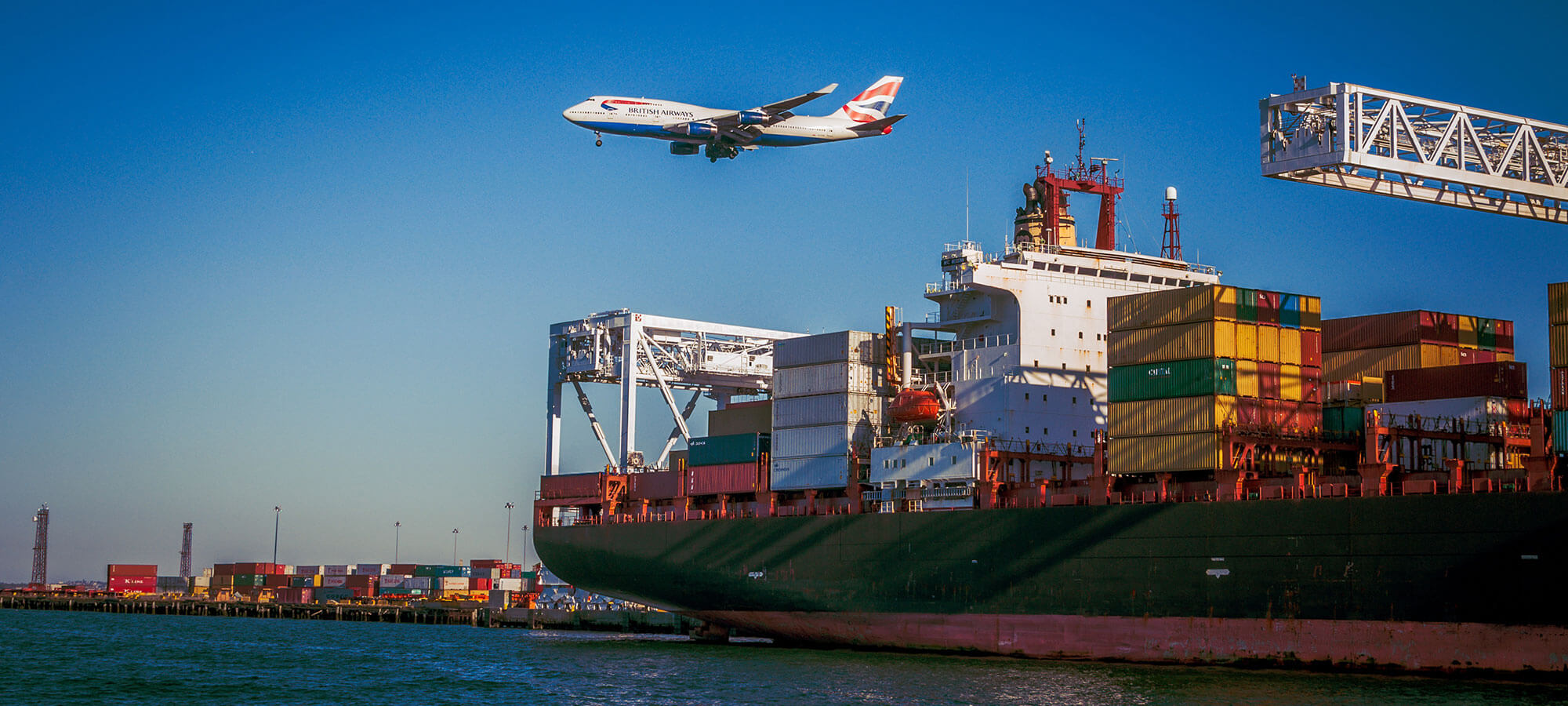
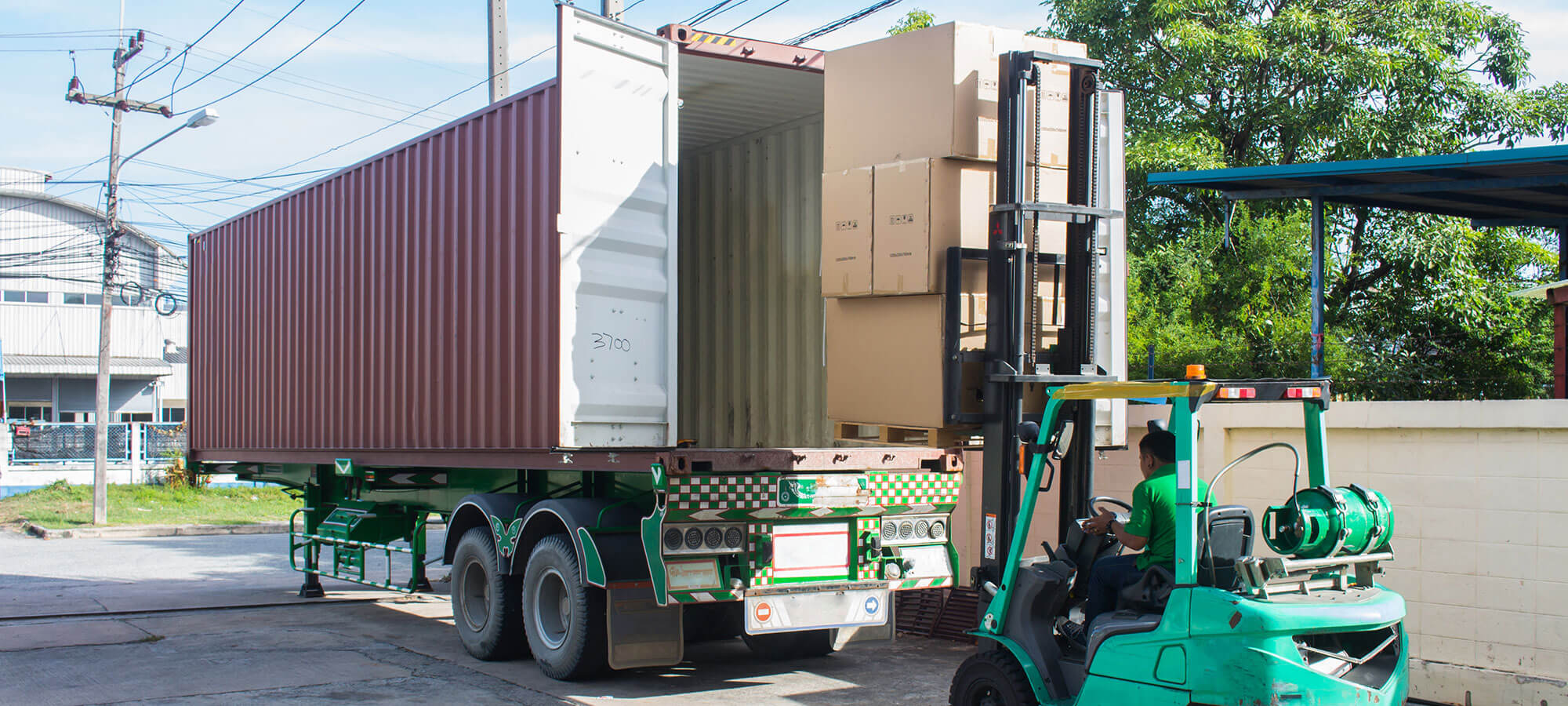
The terms are virtually interchangeable since a cargo container can transport by ship, rail, or lowbed trailer mode. This flexibility enabled container shipping to simplify loading and unloading and dominate the cargo industry.
It also spawned a vibrant market in second-hand containers beyond their use-by dates but still in fair condition. These cargo containers are in popular use as construction site offices, village clinics, holiday homes and so much more. Our customers love them because they are cheaper than brick-and-mortar buildings, and ‘erect’ in a flash.
There Are Now Over 20 Million Cargo Containers in the World
The cargo container has proved its worth as a quick and convenient way to move goods around the world. Handling and securing equipment on ships, railway trucks, and lowbed transporters have standardised too. A container sent from Durban to London will hold no surprises for dockworkers on the far side of the world.
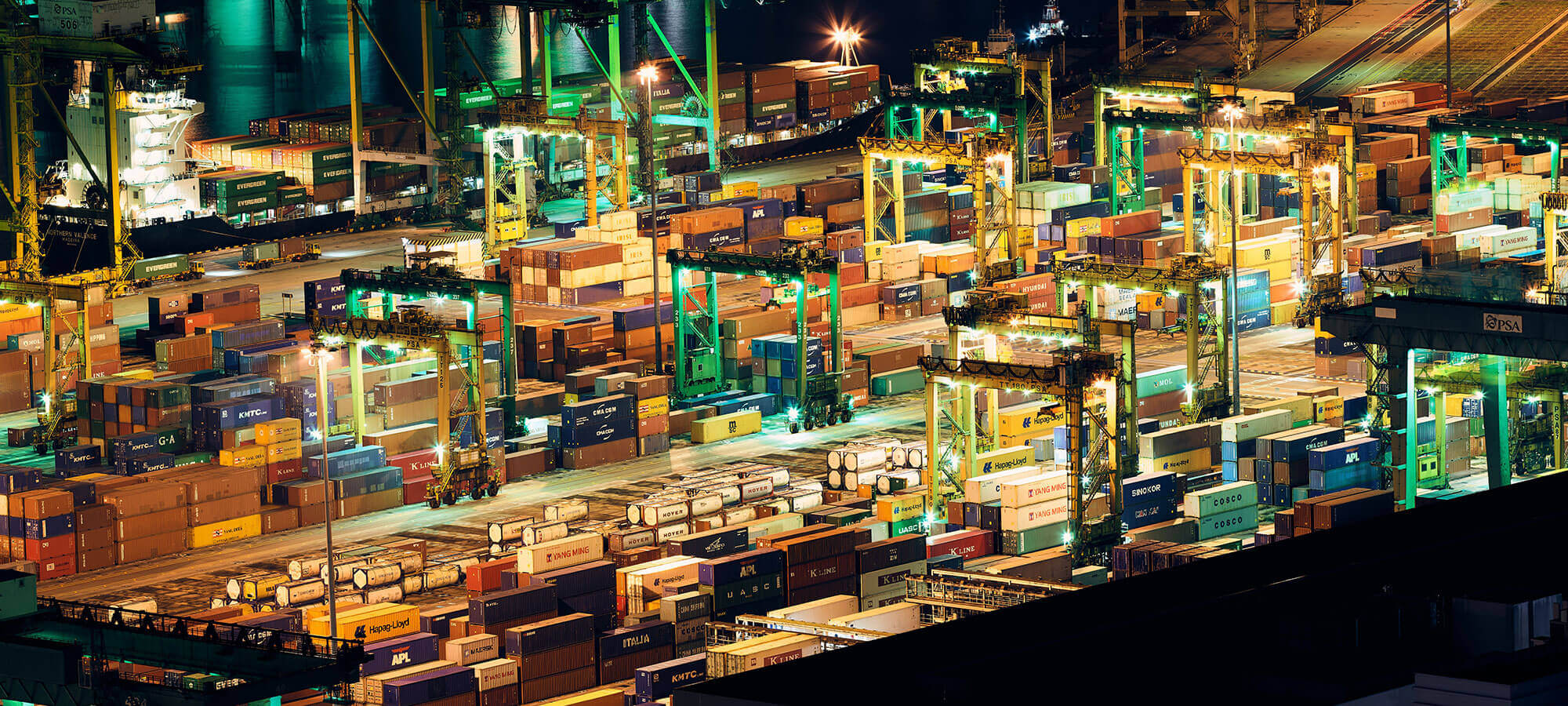
Those over 20 million containers make a total of 200 million trips every year. At any one time, there are close to six million of them travelling on ships to the four corners of the globe. An average of four of them falls into the water every day, which is remarkably low compared to the number of traffic accidents in Durban!
A number of these containers never make it back to their owners because of the high cost of shipping them empty. There are currently several million of these for sale in cities with container ports, and these are increasingly being turned into economic homes and affordable student housing.
The Humble Cargo Container that Transformed the World
The people who conceived the first cargo container would have had no idea how it would transform commercial transport. Indeed its influence compares with the extent the internet transformed communication.
Almar has a stock of containers for sale or for rent in Durban, Walvis Bay, Dubai, Dar es Salaam, Kabar, Mombasa, Kampala, and Nairobi. Please be assured of our best prices and contact us soon for superior service.
We get calls every week from people wanting to know the optimum shipping container sizes for their household goods. Sometimes they end up purchasing a used container from us in cargo worthy condition they can resell at their destination. However, others prefer to use a removal company because they have enough on their minds.
Shipping Container Sizes Vary and So Do the Costs
Most of the containers we see on ocean-going ships (and occasionally falling off) are either 20 ft. or 40 ft. ones. However, there are other smaller and larger ones in the below list:
The most popular shipping container sizes for household moving are 20 ft. and 40 ft. ones. As a general rule of thumb:
A 20 ft. container is large enough for the contents of a 3-bedroom house
A 40 ft. container may be needed for the contents of larger home
However, it’s rare to find a family needing exactly 30 or 65 cubic metres. Hence many people relocating share containers with others moving to the same location.
How Full Container and Less Container Loading Works
Your shipping agent will help you calculate the optimum size. You may find leaving the leather lounge suite behind achieves a greater saving than the cost of a replacement one overseas.
If you pay for a ‘full container load’ (FCL) you don’t have to ‘stand in a queue’ while your household goods travel somewhere else first. However, a ‘less container load’ (LCL) can work out cheaper if you don’t mind waiting a little longer.
Run the Numbers First Before Deciding
Shipping household goods from Durban to the UK can cost between R100,000 and R150,000 depending on container size, insurance costs, final destination etc. Cape Town to Sydney can cost between R150,000 and R200,000. You could have more money in your pocket towards setting up your new home by making the right decision when choosing between shipping container sizes wisely.
An intermodal container is a portable storage box compatible with travelling on various modes of transport. These include railways, ships, low-bed road transporters, and even cargo aircraft. They usually shift between different transportation modes via container depots. Hence, they also need to be compatible with lifting and moving gear in these facilities.
This flexibility requires a degree of standardization virtually unrivalled in any other industry. Standard 6-meter and 12-meter intermodal containers can be stacked many times high on ships and in container handling yards. This makes them arguably the densest storage facility anywhere.
Intermodal Container History: Longer Than You Thought
People have been carting luggage securely in suitcases and boxes for ages. From the 1830s onwards railways were carrying simple containers that loaded onto horse-drawn carts using cranes. These were simple, rectangular timber boxes ideal for transporting bulk materials especially coal.
The military was already using container solutions for transporting weaponry by the time WW2 erupted. However, intermodal container standardization really only took off in 1951, when the U.S. and European nations met in Switzerland to consider the possibilities of standardized container transport.
This meeting led to the introduction of ‘roller containers’ in various configurations capable of loading on rail, truck or ship. Various innovations followed in quick succession. These new developments included corrugated steel containers with skids and lifting rings, stackable versions, and lighter-weight materials.
Full Standardization Arrives in 1972
By the early 1970s shipping containers were travelling globally, although to the frustration of operators there were still various versions. Finally, the Inter-Governmental Maritime Consultative Organization intervened with a global standard for the safe transport and handling of what became known as the universal intermodal container.
This regulation required that every shipping container have an approved ‘safety plate’ recording age, registration number, dimensions and weights, as well as its strength and maximum stacking capability. There was considerable resistance from traditional dock workers although eventually, sheer logic had its day.
The Second Life of Intermodal Shipping Containers
The stresses and strains associated with an intermodal container stacked ten times high are immense. Rigid safety standards condemn these storage boxes long before they are actually worn out. We saw the opportunity to recycle them for other, creative purposes.
The Almar Container Group supplies standard and purpose-adapted intermodal containers for beneficial reuse in South Africa, Tanzania, Kenya, Uganda, Dubai, and Saudi Arabia. Tell us what you need and we’ll make it happen soon. We have applications for training rooms, ablution facilities, temporary offices, permanent homes and so much more.
We should ask about the goods and services we purchase. Especially since there is so much information on the internet, although it may not all be true. If you had the time and patience, you could probably figure out the container business yourself. However, a container agent with a finger on the pulse could simplify things for you.
Not All Storage Units are the Same – Our Container Agent Explains
The container industry is imperfectly regulated space. There are standards, but there is nothing preventing you making your own containers. Nothing that is, until you have an insurance claim returned with a rejection letter.
So what are the standards you have to meet – unless you employ a container agent to represent your interests?
A container must have dimensions suitable for automated container-handling equipment
Moreover each of the eight corners must have a ‘twistlock’ fitting for lifting, stacking, and securing safely
A container must also have key construction features to withstand handling and stacking
Finally, it should also bear an IOS mark affirming the owner, country, size, type and equipment category, as well as any operational marks.
What a Container Agent Can Learn from This Information
The International Container Bureau is a registry for intermodal shipping containers. It founded in 1933 to set mandatory parameters for cranes, conveyors and other lifting gear. These factors include.
The design of the container, its capacity, and type
The total safe loading capacity of the container
A container agent uses the information referenced in ISO 346 to verify information regarding a particular container, and current owner. In this regard it’s important to note the insurance angle. Shipping and all risks insurers may base their rates on the information on the ISO 346 register.
How Do I Know Whether a Particular Container Is Right for Me?
Our container agent can help you right-size and type a container whether for shipping, or storage. Or for one of the alternative conversions that are proving increasingly popular. The sky really is the limit for these incredibly versatile devices.
We can help you select and ship your containerised solution to South Africa, Namibia, Kenya, Tanzania, Uganda, Dubai, or Saudi Arabia. Please contact us as soon as you are ready to start your next project.
Steel shipping containers are all much of a muchness – sturdy boxes designed to transport and store every possible type of freight.
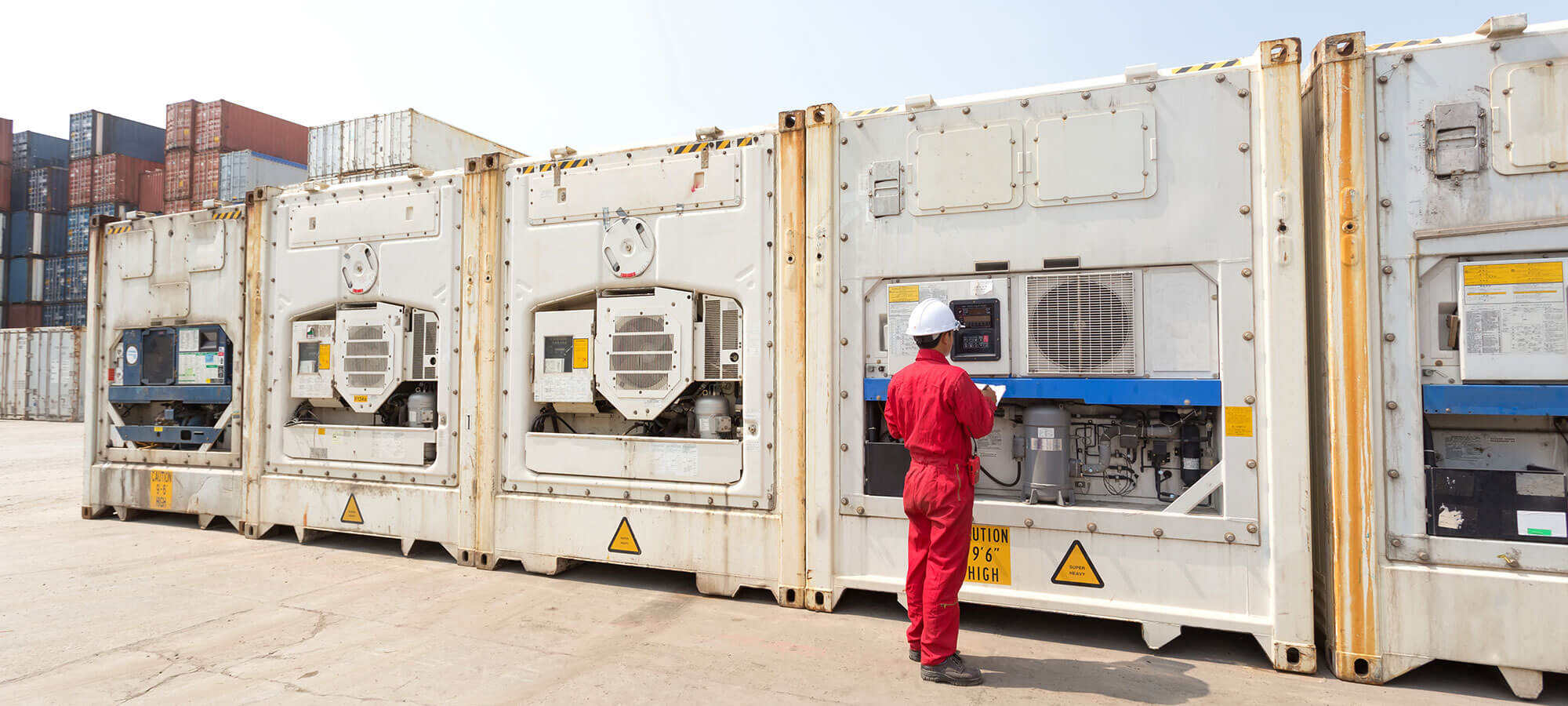
There are, of course, containers for different purposes, like those for dry freight or storage, and reefers that are manufactured specifically for the storage and transportation of refrigerated goods. There are also specialised containers that are intended for shipping unconventional or oversized cargo.
But container design takes on a whole new meaning when it comes to conversion products. Today, storage containers are not only used to transport and store goods, they are also used in the construction industry to form a basic shell for houses and apartments, and for on-site facilities, as well as to provide sleeping and office accommodation, conference or training rooms, and clinics and medical facilities in remote areas.
General purpose (GP) dry-freight containers are most commonly used for conversion purposes, and they must be manufactured and tested according to ISO 1496-1 : 1990 (E), Series 1 freight containers – Specification and testing – Part 1: General cargo containers for general purposes. The scope of this standard covers GP containers that are totally enclosed and suitable for international conveyance by sea, road, or rail. They may be:
Closed
Vented
Ventilated
Open-topped
The standard specifies the internal and external dimensions of GP containers as well as the relevant tolerances. There are also specifications for corner fittings, the structure of the base of each unit, as well as end structure, side structure, walls, and door openings.
General container design requirements state that containers must be capable of fulfilling certain requirements, including:
Strength
Loads and loadings
Securing systems for any closure in the containers, particularly doors
Locking devices for roofs
Weatherproof covers if relevant
Testing procedures are also detailed in ISO 1496-1 : 1990 (E) including a test for stacking a fully loaded container, lifting a container from the four top corner fittings, and another for lifting a container from the four bottom corner fittings. There are also procedures for a further 10 tests, to test longitudinal restraint, the strength of the end walls, side walls, and strength of the roof, as well as floor strength, transverse and longitudinal rigidity, “weatherproofness”, and for lifting from fork-lift pockets and from the base at grappler arm positions where these are fitted.
These strict design requirements ensure that containers are strong, secure, and long lasting, making them ideal, not only for transportation and storage purposes but for container conversions as well.
Shipping Container Design and Architecture
The use of steel dry freight GP shipping containers for architectural structures is as varied as the types of cargo they may be used for. They have been used for bespoke shops, offices, and designer homes. Ingenious designers have turned single units into reception areas, booths for parking attendants, coffee shops, hairdressing salons, and getaway retreats. More challenging designs incorporate multiple containers that are sometimes stacked or angled to create living or office space.
A Canadian company has caused a stir by repurposing used containers for hot tubs and swimming pools! These may be installed either below or above the ground.
Almar Containers
Almar offers the full range of container solutions for storage and transportation, including reefers and specialized containers. We also supply plug and play container solutions for workshops, clinics, accommodation, offices, ablution blocks, and training rooms that we often supply to remote regions in Southern and East Africa as well as the Middle East.
All our containers meet ISO specifications, and those we convert are handled by our in-house engineering team and container design experts. How can we help you?
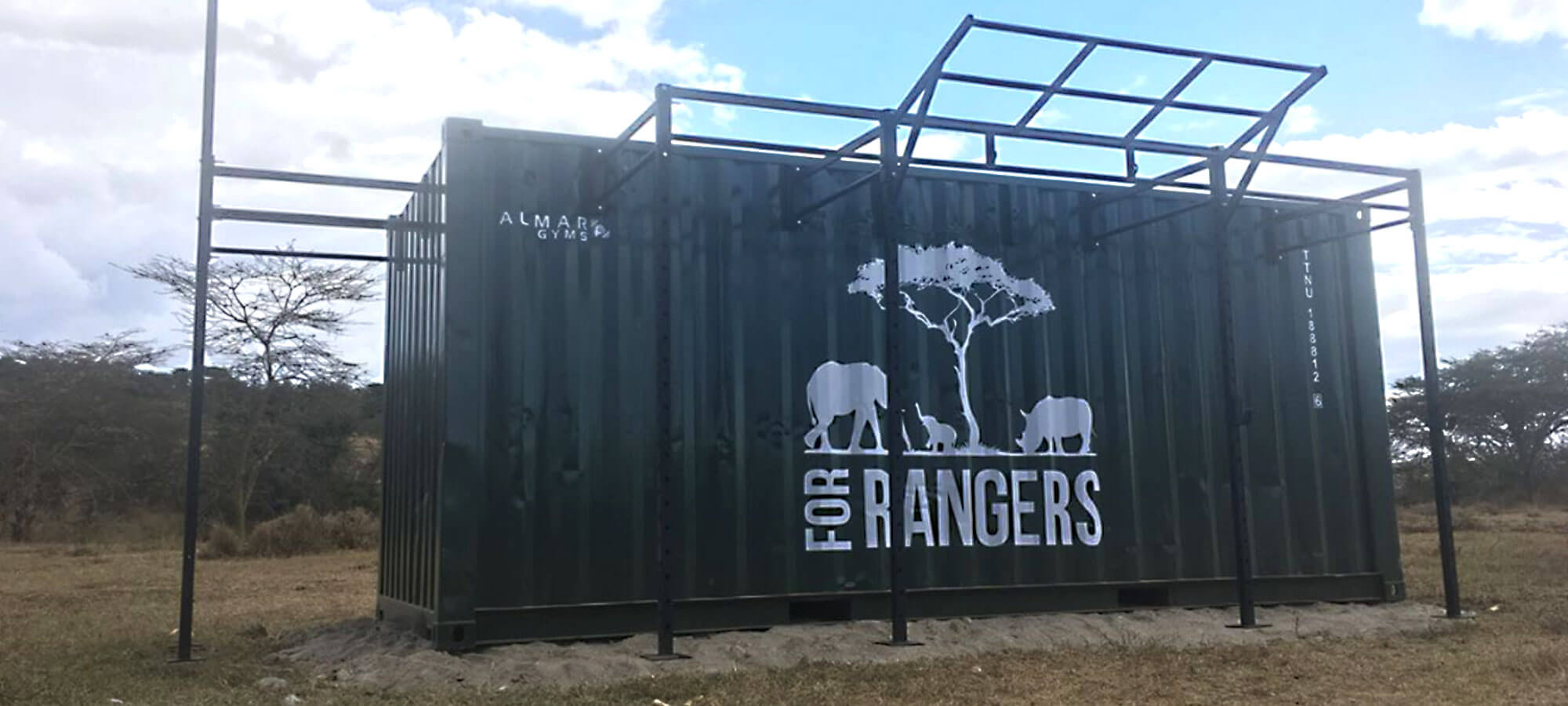
Almar Kenya has been commissioned to create four bespoke functional gym units from standard 20-foot dry containers for anti-poaching rangers to use. Three will be located in wildlife conservancies in Kenya, while the fourth is to be transported to Tanzania, and all four will provide an exciting opportunity for anti-poaching rangers to keep fit in the field.
The project was initiated by the Save the Rhino charity and 51 Degrees Ltd, a Kenyan company that trains rapid-response anti-poaching units across East Africa in helicopter procedures, reactive operations, area searches, and medical skills.
The Converted Containers
The design of the converted containers’ functional gym equipment will ensure that the rangers are able to improve their strength and overall fitness while in remote locations. The equipment in each unit consists of a series of bolted frames with pull-up bars, as well as removable dead-weight brackets and a larger frame for rope climbing at one end.
One of the converted containers has already been set up in the main rangers’ camp at Borana Conservancy in Laikipia County, Kenya. Two more are destined for Ol Jogi and Lewa Conservancies in the same region. A fourth will soon be heading for Tanzania where it will be utilized by the Singita Grumeti Fund’s team of rangers.
Conservancies Fighting Poaching
During the past four decades, Kenyan organisations and associations have been doing everything possible to save the black rhino (Diceros bicornis) from extinction. In 1970 there were 20,000 rhinos in the country, but as a result of poaching, this number fell to less than 280 in the 1980s. One of the first initiatives was the formation of the Association of Private Rhino Sanctuaries in Laikipia that was mandated by the Kenya Wildlife Service to represent the interests of those in the private sector who were working towards conservation of rhinos.
After the dramatic decrease in the numbers of rhinos by the 1980s, Kenya was hit by another surge in rhino and elephant poaching in 2012 and 2013, that led to the loss of more of these animals than at any time during the past 20 years. As a result, a new wildlife law was introduced allowing the courts to impose life imprisonment for convicted poachers. But, while poaching stats dropped, the killing continued, and earlier this year it was reported that convicted poachers in Kenya could face the death penalty.
The Kenyan authorities have also introduced a high-tech anti-poaching technique that involves sniffer dogs trained to identify air samples of rhino horn and ivory. These dogs are also used to find stolen livestock, property, and even children.
The Borana Conservancy is one of the newest conservancies for rhinos and since black rhinos were reintroduced to the area in 2013, it has been proven to be one of the most successful. It is relatively close to the Ol Jogi Conservancies as well as Ol Pejeta and the Solio Game Reserve, but Lewa is its closest neighbour.
Borana and the Lewa Wildlife Conservancy work closely together with additional combined efforts from Kenya Wildlife Service and the Kenya Police. While a primary focus is on fighting the threat of poaching and protecting the wildlife in the local conservancies, they also assist when there is road banditry, cattle rustling, and even inter-tribal conflict.
They report that there has been no poaching of rhino in the Lewa-Borana area in the past five years and that the numbers of illegally killed elephants have decreased significantly during the same period of time.
The Singita Grumeti Fund carries out community development and wildlife conservation in the western corridor of Tanzania’s legendary Serengeti ecosystem. An area that experienced rampant poaching and uncontrolled poaching less than two decades ago, the Fund is responsible for one of Eastern Africa’s greatest conservation success stories.
The Almar Commitment
“Not only is Almar extremely grateful to have worked on this exciting and creative product, we are also proud to help such esteemed clients with their efforts in ensuring the preservation and security of Africa’s most precious wildlife.”
With a rising interest in converted shipping containers, there has been a drastic increase in container fraud and bogus operators, particularly in South Africa. Many people go online to see what the shipping container cost will be. They find a website that features what appear to be brand spanking new containers at exceptionally low prices and decide to buy.
Like phishing, which entails fraudsters purporting to be from reputable companies inducing people to reveal banking and other details, container fraud relies on people’s trust and is virtually impossible to track down.
In addition, this is largely a cash industry, so people are expected to pay the shipping container cost before it is delivered. Because containers are generally sold in large volumes from working depots, inspections are difficult. Also, entry barriers for newcomers to the industry are very low; all that is needed is a website and a phone number of some sort and you can start buying and selling containers.
So how does container fraud happen?
Modus Operandi to Make People Buy Shipping Container Online
Shopping online today is easy – sometimes too easy. Whether you are looking for a frying pan, a new outfit, or converted shipping containers, you are likely to find a website that offers exactly what you want. While there are many reputable online stores, it is so easy to create a website and sell items online, it is often difficult to identify those that have been set up to swindle us.
This is how easy a fraudulent operation can be to set up and manage.
The first step that a fraudster, or group of fraudsters, takes is to build a website using pictures of new shipping containers advertising them at very low, competitive prices.
You Google “shipping container cost” or “buy shipping container” and find the site. It all looks above board, so, depending on the contact details supplied, you phone the so-called company or email them requesting a quotation.
The response of the fraudsters not always the same, but often the quote will be sent without bank details for payment. They fraudulent operator may ask for confirmation of your bank details.
Bearing in mind that the container industry is largely cash based, the fraudster will then supply his bank details and request payment in full and as soon as payment is made, he withdraws the cash and closes the bank account.
This makes it very difficult to track down fraudsters and virtually impossible to hold them accountable. But there are some warning flags to look out for when you buy shipping container units.
Top Ten Tips to Avoid Container Fraud
Shop around to see what companies in general are charging for shipping containers (or converted shipping containers if this is what you are looking for). If you find a source that is offering containers at a price that seems to be too good to be true, it often is!
Only deal with companies that have been in business for some time and have a historical reputation you can track – www.containerfraud.co.za
Ensure other customers are happy with their service, but don’t rely on their website references or testimonials as these are easy to fabricate. Google+ and Facebook referrals are often more reliable, but it’s always a good idea to try and make direct contact with several customers to verify their authenticity.
Ideally you should meet the seller in person before committing yourself to the deal. You should also insist of inspecting the container prior to payment. Don’t be bullied into the sale by claims that this is the last container at this price, or anything similar.
If you phone the person (and you should), if the seller has a distinctly foreign accent, this might be an alarm bell. Some fraudsters operate from other countries, having no intention of delivering the shipping containers they offer for sale. This also makes it impossible to inspect the container and meet the seller.
Contact container associations like CTIA www.containa.org and COA www.containerownersassociation.org to see if the company is registered. If not, ask the seller if they belong to another associations or, if not, why not. In South Africa, sites such as containerfraud.co.za are trying to help users identify reliable and fraudulent operators – https://www.containerfraud.co.za/almar
If there isn’t a landline number on the website, this could be a sign that the company has no physical presence. This should be another alarm bell.
If there is a physical address on the website, don’t take it for granted that it is genuine. Rather check on Google Maps to make sure it really is a valid address.
Check the creation date of the website domain using a domain search website like Who Is www.whois.com. If the website was created in recent months, this too should be an alarm bell. Beware!
If you are asked to confirm which bank account you are going to use for payment, don’t provide this information other than possibly stating which financial institution you use. Chances are they are buying time while waiting to open up a suitable bank account to be able to get your payment.
Only Deal With Reliable Suppliers
Almar Container Group has been a reliable supplier of used steel shipping containers for more than 30 years. If you have any questions regarding the validity of a quote for containers for sale or containers for rent, or even if you want a reference for an alternative container supplier, please contact us as we will be able to provide an honest and objective opinion and provide correction information.